
Sustained Mideast Gulf fertiliser disruption concerns US corn yield potential
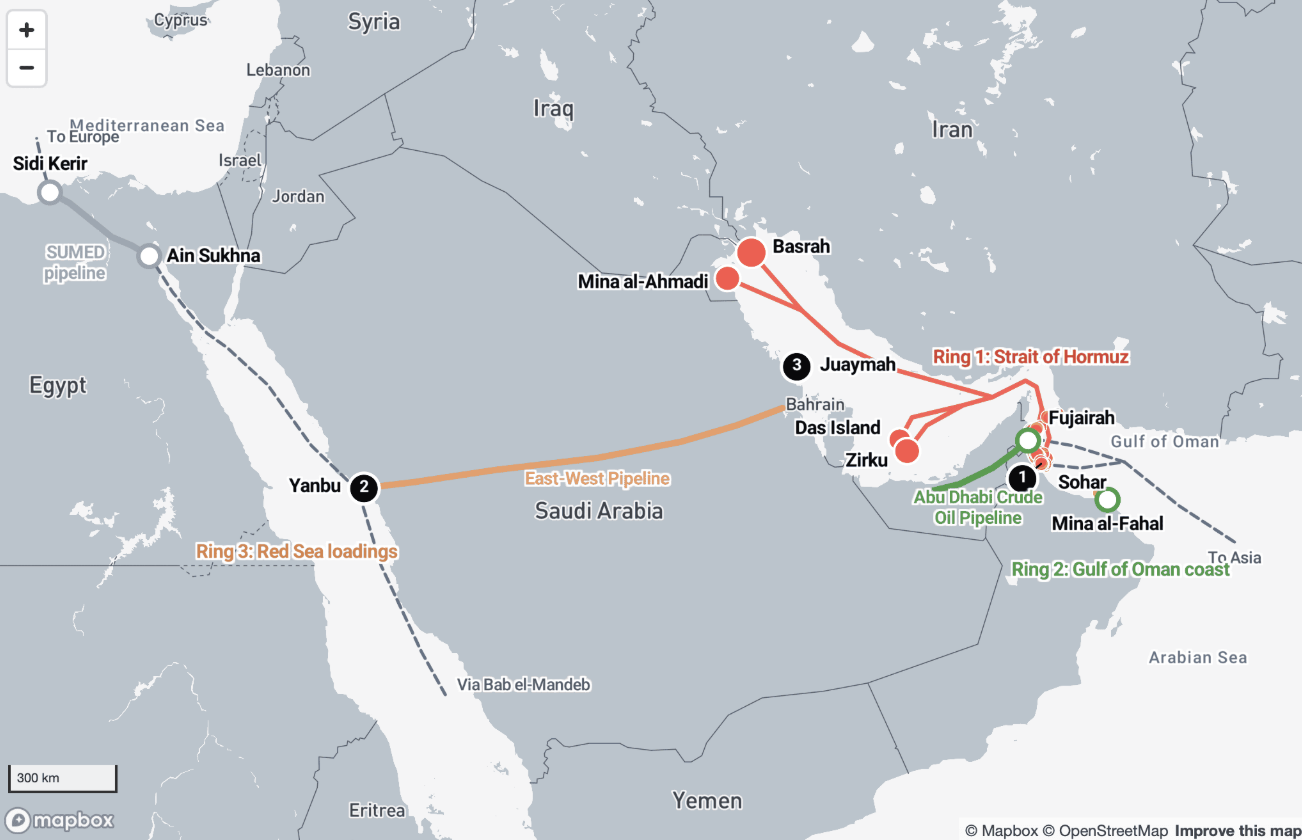
Vessels laden with fertiliser product in the Mideast Gulf remain hesitant to transit the Strait of Hormuz, with the last vessel to exit the Gulf occurring on 22 March. As a result, the number of laden vessels has risen to highs not seen for at least the past seven years. As the supply of fertiliser on the global market tightens, this has resulted in price rationing. Some US corn growers are expected to reduce their fertiliser application, though this may come at the expense of yield potential.
Fertiliser loading momentum has stalled
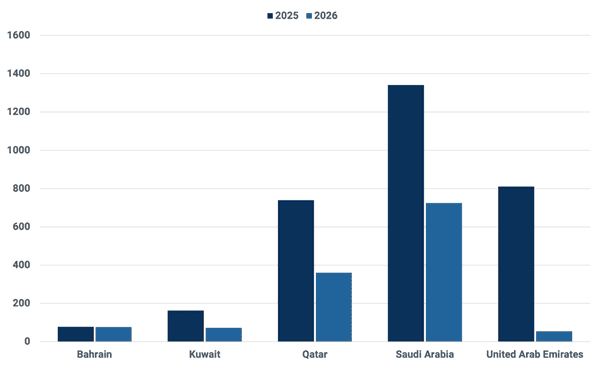
Since 28 Feb, select fertiliser terminals across the Mideast Gulf have continued to load urea, sulphur, and phosphates onto vessels, at a significantly reduced rate compared to previous years. However, the loaded vessels are still in the Gulf, unable to leave. Continuous restrictions on Strait of Hormuz transits and persistent threats to critical infrastructure have disrupted major fertiliser operations, with the geopolitical landscape shifting rapidly in recent weeks.
Fertiliser loadings across the Mideast Gulf for March (kt)
Source: Kpler
Mideast Gulf fertiliser activity has become increasingly restrictive. No ballast vessels have entered the Gulf with the sole purpose of loading fertilisers. All loadings during this period have been carried out by vessels that were already within the region. In the UAE, urea export activity was suspended entirely at the onset of the conflict. While UAE’s sulphur loadings only resumed in late March, activity remains minimal, with only two vessels having loaded to date.
Saudi Arabia’s Jubail industrial complex, one of the Gulf’s most prominent fertiliser export hubs for sulphur and urea, was struck on the night of Monday, 6 April. Jubail operations remained relatively consistent through the earlier weeks of disruption, but it has not received new vessels since the day after the strike. Overall, Mideast Gulf fertiliser loadings seem to have stalled entirely since early April.

See why the most successful traders and shipping experts use Kpler