Please note: The figures shown below were accurate at the time of publication on 19 March and may have changed since. New information and datapoints are likely to have been released since.
The global LNG market faces its most significant supply disruption in decades. Missile strikes on Ras Laffan Industrial City—the nerve centre of Qatar's LNG export operations—have removed up to 19 million tonnes of supply from the global balance. We at Kpler break down what this means for traders, buyers, and the broader energy landscape.
Overnight strikes on Ras Laffan have resulted in fires and extensive damage to LNG facilities. Ras Laffan processes gas from the North Dome—the world's largest natural gas reservoir—making it the single most important LNG export hub globally.
The full extent of damage remains unconfirmed. Unlike a Strait closure, which represents a logistical constraint, physical damage to LNG processing trains introduces a fundamentally different recovery dynamic:
The strikes on Ras Laffan occur within the broader context of escalating US-Iran tensions. This geopolitical backdrop has transformed regional energy infrastructure into potential targets, with implications extending far beyond the immediate conflict zone.
Strikes have also been reported on Iran's South Pars field, which shares an interconnected subsurface reservoir with Qatar's North Dome. The reservoir behaviour implications remain unclear, but this uncertainty has become a market variable in its own right.
Total estimated loss: Approximately 19 million tonnes versus pre-conflict projections.
This figure carries significant uncertainty. Downside scenarios involving more extensive Ras Laffan damage, prolonged Strait mine clearance, or reservoir complications could extend the disruption well into Q3.
The current crisis reflects the intersection of US-Iran strategic competition and global energy security. Several factors define this dynamic:
Disruptions to Iranian gas infrastructure could prompt Turkey to seek replacement LNG cargoes, applying additional demand pressure to an already supply-constrained spot market.
Any confirmed impact on the shared reservoir would affect Qatar's ability to ramp production when export routes reopen. This could delay the North Field Expansion (NFE) Phase 1 timeline, currently scheduled for March 2027—a material shift in medium-term global supply projections.
Northeast Asian buyers enter the disruption in a comparatively comfortable position:
This buffer allows Northeast Asian buyers to draw on existing inventories. The effect shifts their peak restocking season to June–July rather than April–May.
The risk: Deferred demand returns to the spot market precisely when European buyers compete aggressively for Atlantic Basin volumes. This collision could generate a sharp price spike in mid-summer.
Bangladesh has already paid approximately $21–22/MBTU for April-delivery spot cargoes—well above normal contract levels. This signals that term contract delivery from Qatar for April is being treated as unreliable.
Europe enters the disruption at a structurally weaker starting point:
Northwest Europe sits particularly low on storage. Even with better-than-expected end-March figures, the summer restocking requirement remains substantial.
Mitigating factors:
Since the conflict began, Kpler has tracked 11 LNG cargo diversions:
The underlying commercial logic driving diversions remains intact. JKM prices stay elevated, and Asian buyers pay spot premiums that outcompete European buyers for uncommitted volumes.
Market implication: As long as Asian spot prices remain at current levels, Europe and Asia will compete directly for Atlantic Basin supply. This structural tension will define global LNG pricing dynamics through at least Q3.
Colombia and similar markets face particular vulnerability:
Despite the supply disruption's scale, Europe appears committed to eliminating Russian gas and LNG from its energy mix:
This commitment creates genuine tension. Europe faces its highest-ever summer restocking requirement at precisely the moment when:
The result: Europe's restocking will be slower, more expensive, and more dependent on US and West African supply than at any prior point.
The base case of a late-May restart remains the working assumption, but it grows increasingly fragile. Each escalatory development—strikes on Ras Laffan, South Pars impacts, the Fujairah situation—narrows the probability of that timeline holding.
Approximately 19 million tonnes of LNG supply may be removed from the global balance through end-May. This figure assumes a late-May restart and could increase if damage assessments reveal more extensive infrastructure impacts.
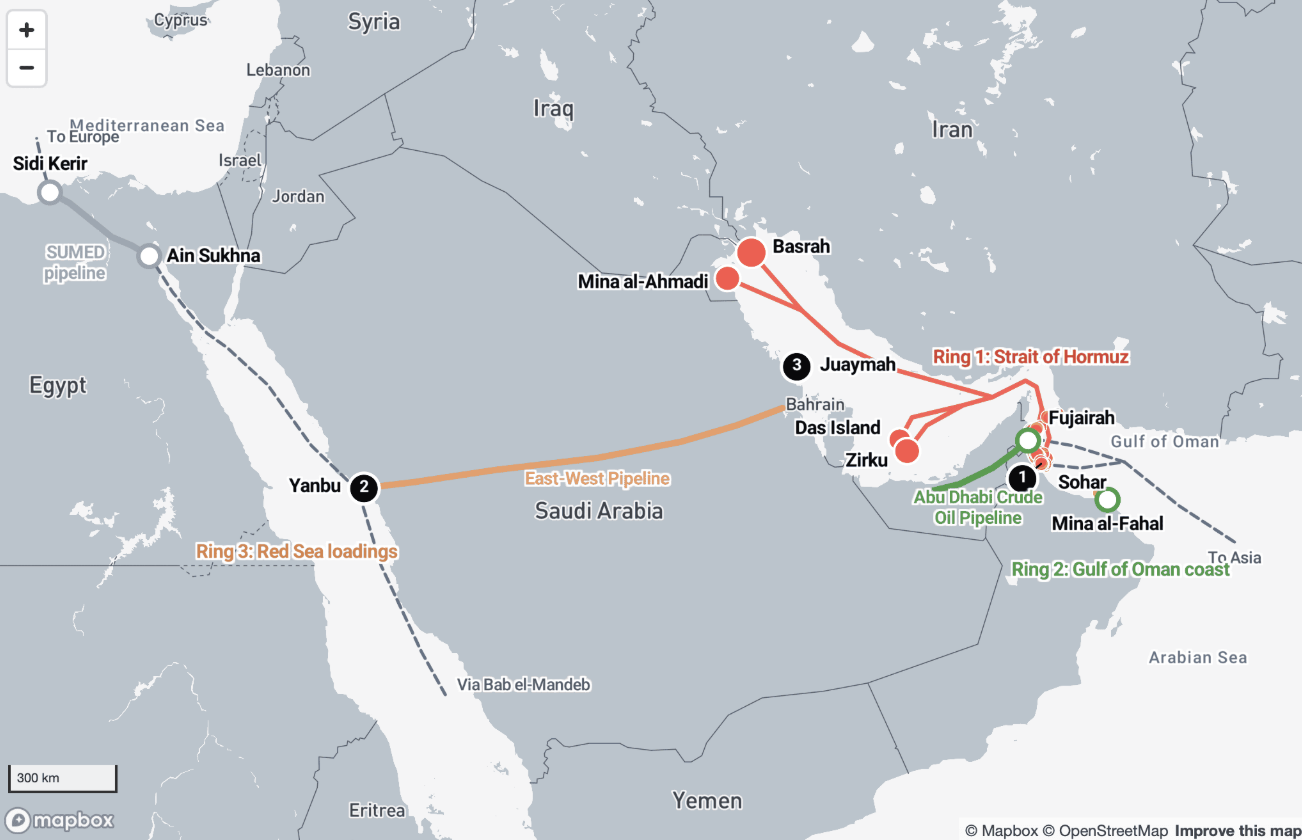
The Strait of Hormuz closure—a consequence of US-Iran tensions—has blocked the primary export route for Qatari LNG. Additionally, strikes on Iran's South Pars field affect a reservoir shared with Qatar's North Dome, introducing long-term production uncertainty.
Spot prices at $20+/MBTU may persist through summer 2025. The timeline depends on Strait reopening, Ras Laffan damage repair, and the intensity of Europe–Asia competition for Atlantic Basin cargoes.
Price-sensitive importers—including Bangladesh, Pakistan, India —face the most acute risk of demand destruction. Europe faces significant restocking challenges, while Northeast Asia benefits from higher inventory buffers.
The NFE Phase 1 remains scheduled for March 2027. However, any confirmed reservoir damage from South Pars strikes could delay this timeline, representing a material shift in medium-term global supply projections.
The global LNG market navigates a supply shock with few historical parallels in scale and complexity. The disruption encompasses:
The base case of a late-May restart remains fragile. Market participants should prioritise tracking war risk insurance signals, monitoring Atlantic Basin diversion patterns, and watching inventory drawdown rates across key importing regions.
Market intelligence based on Kpler vessel tracking data and LNG flow analysis. Data referenced accurate as of 19 March.
Market insights you can actually trust
Kpler delivers unbiased, expert-driven intelligence that helps you to track critical LNG market developments for your own analysis. Our precise forecasting empowers smarter trading and risk management decisions. In times of conflict and geopolitical uncertainty, our real-time data keeps you ahead of supply disruptions and price volatility.
Unbiased. Data-driven. Essential. Request access to Kpler today.