Cometh the time, Cometh the optimisation: The barrel bends toward jet
Refiners are doing exactly what tight jet fuel markets would suggest: producing more jet fuel. What began as a scramble to replace disrupted Middle Eastern jet fuel supplies has evolved into a global refinery optimisation cycle. Strong margins disrupted trade flows and supply security concerns have triggered a broad-based shift toward kerosene production across Europe, the US and parts of Asia. The latest production data confirms that yield optimisation is translating into meaningful supply gains, helping offset supply disruptions and alleviating pressure on global jet fuel balances.
Europe: The Data Confirms the Shift
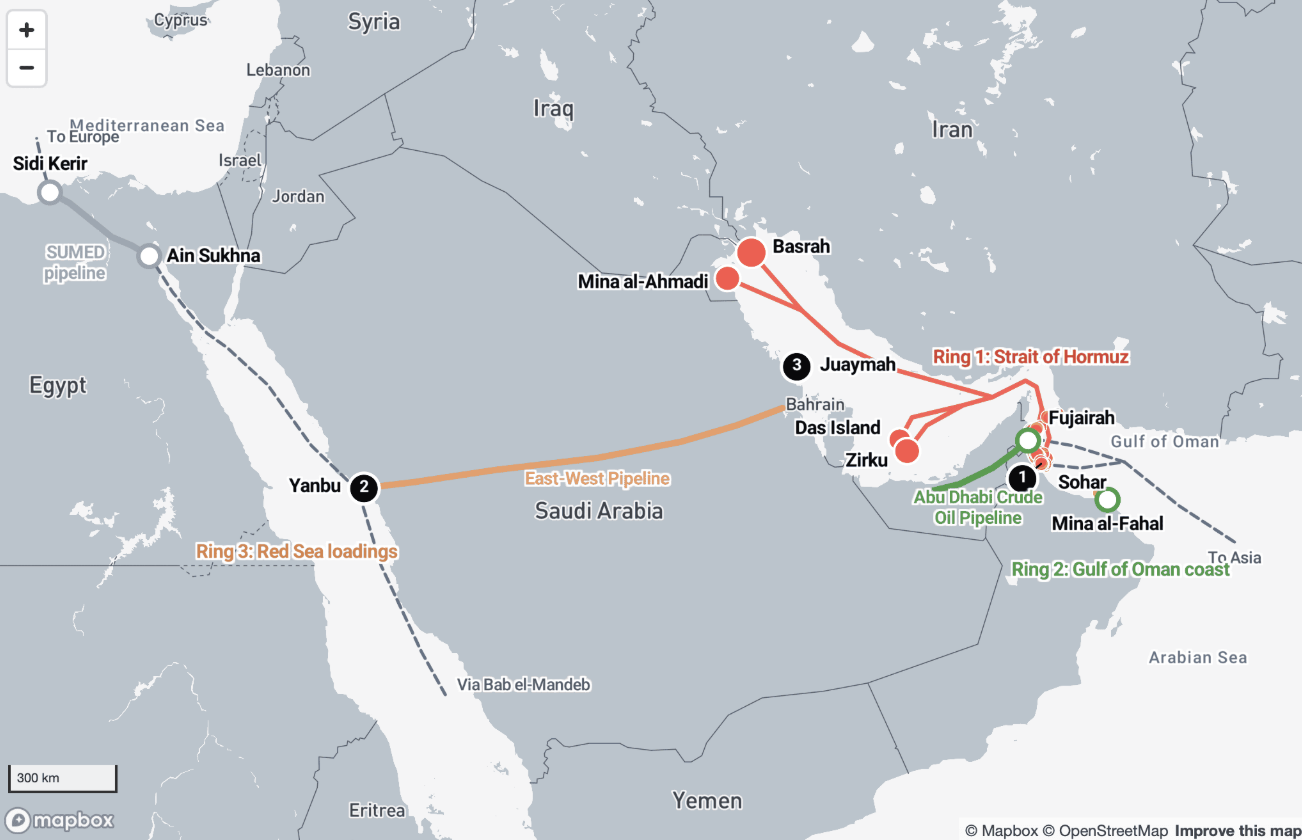
The disruption of Middle Eastern product flows through the Strait of Hormuz exposed Europe's structural dependence on imported jet fuel and created a strong incentive for refiners to maximise kerosene recovery. In previous reports, highlighting how operators could widen kerosene cut points, increase hydrocracker severity and redirect feedstocks toward middle distillates. The latest production data suggests that optimisation measures have translated into a meaningful increase in supply as Europe continue to rebalance it jet fuel supplies.
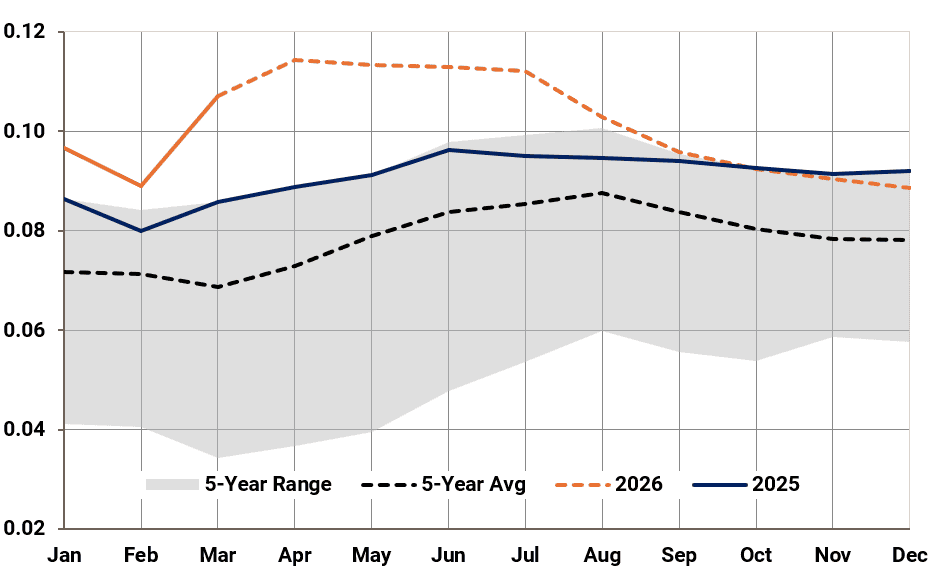
March jet fuel production increased by around 200 kbd y/y, while refinery yields rose by approximately 2.1 percentage points y/y and 1.8 percentage points m/m. The increase was broad-based across the continent, evident in France, Italy, Spain, the UK, Germany and Greece. More importantly, the data exceeded expectations. As highlighted in Kpler's Supply & Demand outlook (May Refined Product Balances), we projected European jet fuel production growth of around 160 kbd y/y through yield optimisation. Actual growth came in closer to 200 kbd y/y, confirming that refiners have been able to shift yields more aggressively.
Europe: Jet/Kero - Refinery Yield (%)
Source: Kpler
The trend is expected to persist through the summer. We forecast European jet fuel yields to remain around 2 percentage points above last year's levels through August, generating approximately 225 kbd of additional supply despite refinery throughput remaining largely flat y/y. In other words, the increase is being driven primarily by optimisation rather than higher crude runs.

See why the most successful traders and shipping experts use Kpler