Libya vs. Yanbu — a tug of war for Europe's barrels
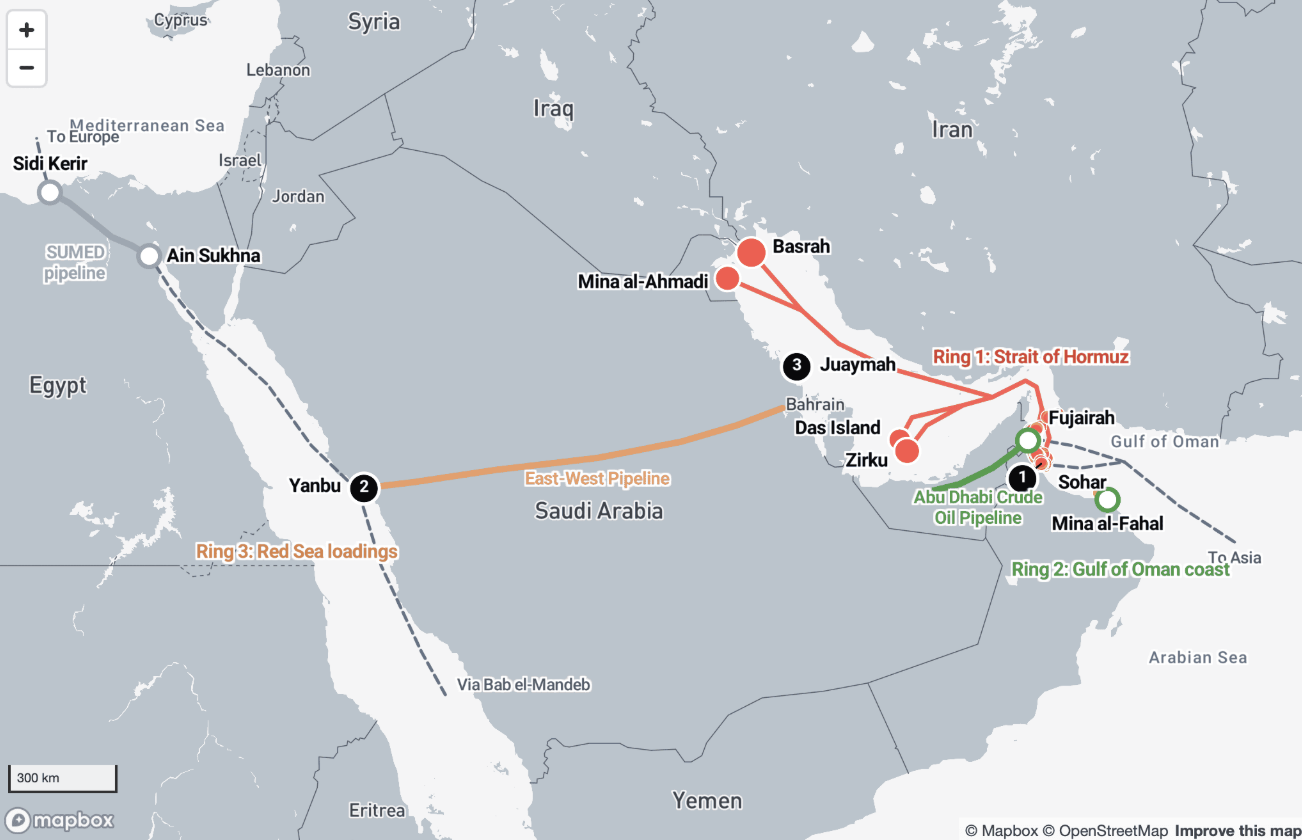
As Libyan supply falters and Saudi Arabia's East-West pipeline edges back toward service, Europe's near-term crude balance hangs on which recovers control of the rope first.
Market & Trading Calls
- Long Med light sweet vs. Dated Brent. CPC, Saharan Blend and Azeri Light should stay bid even as Petroline restart headlines pressure Brent, given the scale of missing Saudi and Libyan barrels into Europe and the Med.
- A potential restart of the East-West pipeline is pressuring crude prices, but Kpler's global balance still shows a 1-2 Mbd deficit over the coming months — that underlying tightness favors buying dips over chasing the headline lower.
- Mediterranean crude balance to tighten more than typical in December, paving the way for tighter regional markets.
Unconfirmed reports surrounding a potential restart of Saudi Arabia's East-West pipeline have pressured crude prices on 22 September, reversing gains that had built on Libyan supply outages and a tighter global crude balance, with Brent slipping back below $100/bbl.
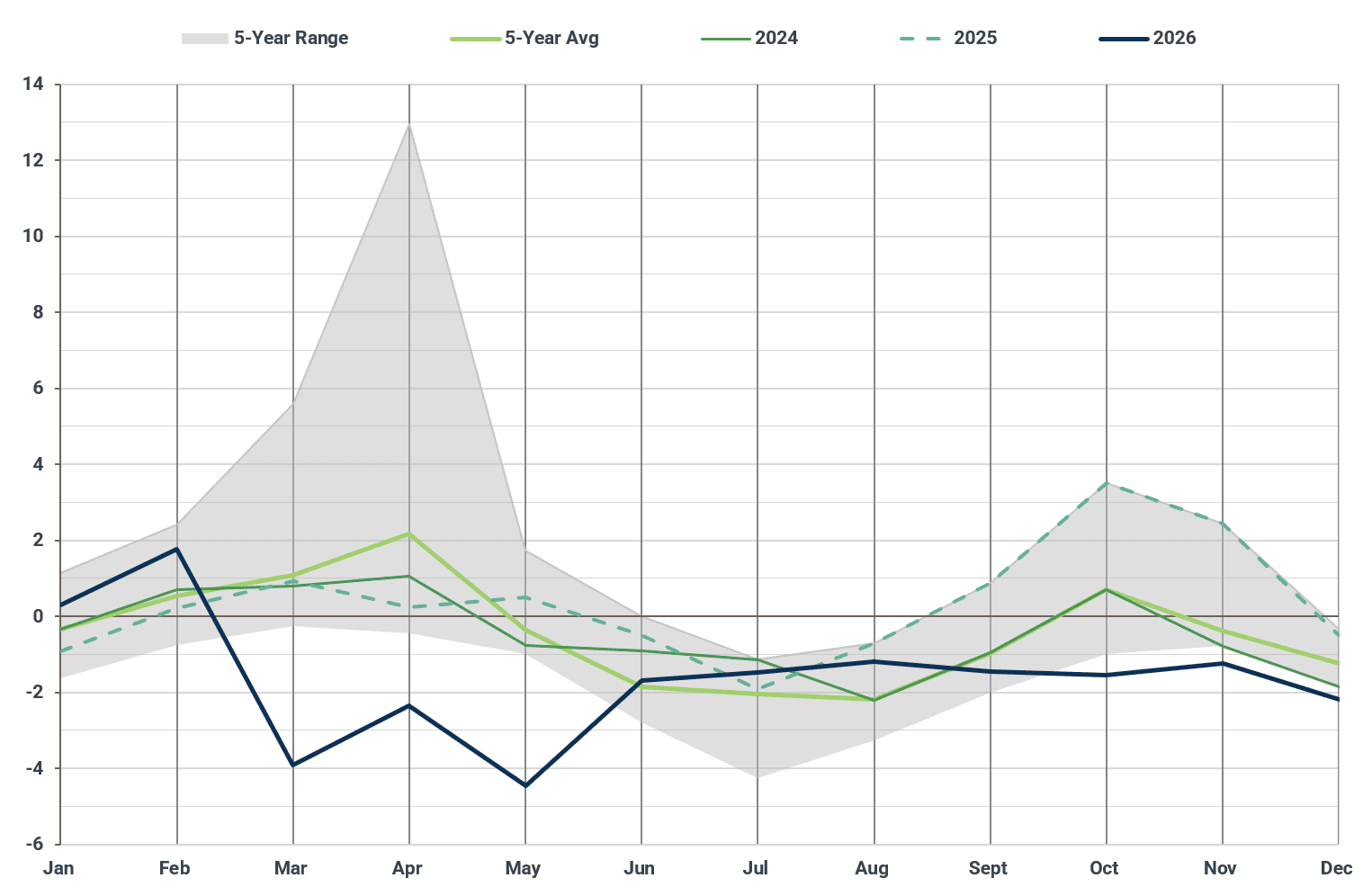
Even so, the underlying deficit in global balances continues to lend some support: Kpler's crude and condensate balance is still averaging a shortfall of 1-2 Mbd, and with SPR releases slowing, much of that draw is now coming from commercial and refinery inventories rather than strategic stocks — a dynamic that should keep prices underpinned even as rising activity from Saudi Arabia's west coast weighs in the near term.
Global crude and condensate balance, Mbd
Source: Kpler
Nevertheless, a Waha Oil leadership dispute has spilled into Zintani-led shutdowns across Libya's pipeline network, cutting flows from the 300 kbd El Sharara field to the Zawia export terminal; NOC says output has dropped sharply, technical teams cannot reach the valves, and a prolonged closure risks halting the field, shutting the Zawia refinery, and triggering force majeure. Though it is difficult to give a strict timeline for the outage, the nature of the disruptions suggests a two-to-three week halt (as an early indication).
This comes at a bad time for near-term barrel availability into Europe and the Mediterranean, compounding lower Saudi flows, which should see regional crude differentials remain supported if outages persist. While there remains quality differences between Saudi Arabian and Libyan grades, with the latter being a light sweet producer, light Mediterranean grades are the most likely near-term beneficiaries since they sit closest in quality and location, with WTI Midland picking up any residual shortfall.

See why the most successful traders and shipping experts use Kpler