The weekend Hormuz fooled the world
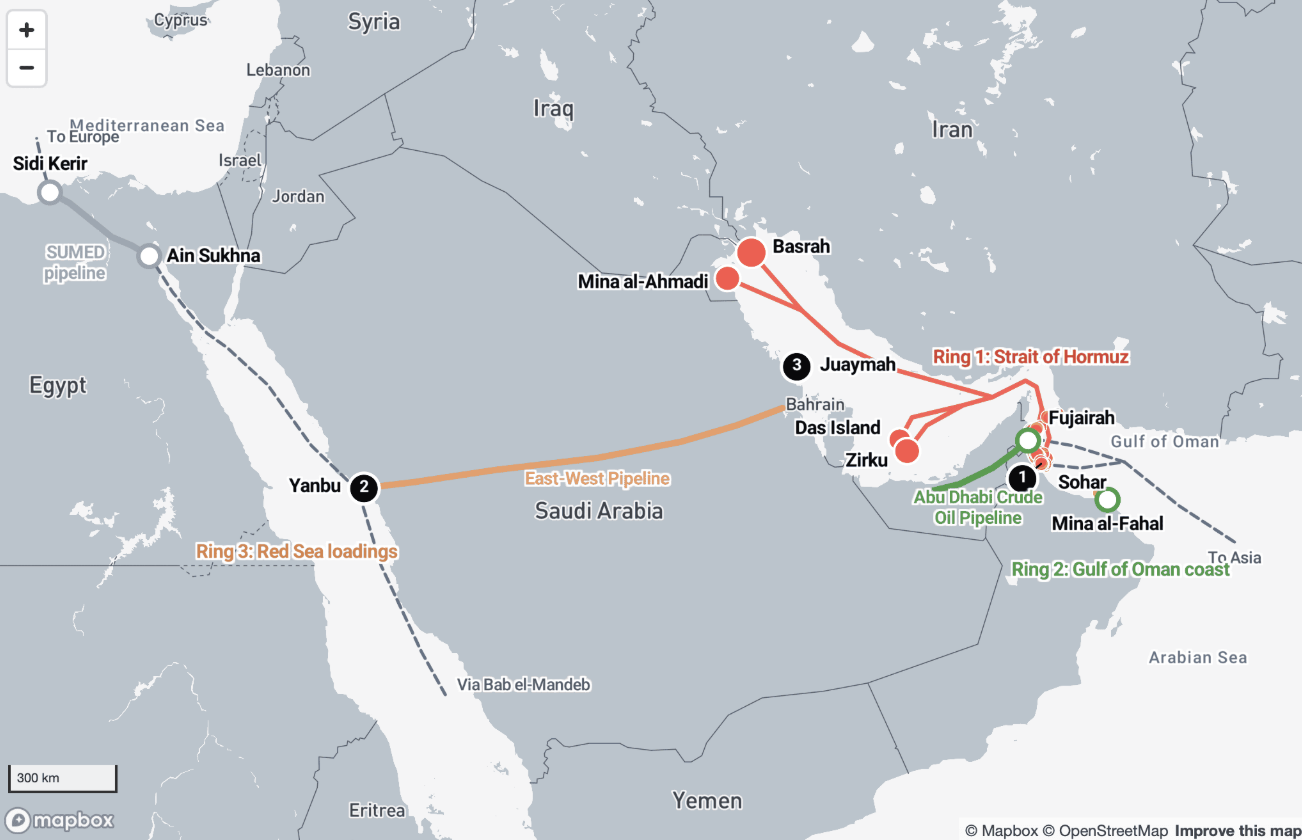
The events between April 17 and 20, 2026, represented a massive market miscalculation as a conditional Iranian "opening" of the Strait of Hormuz was mistaken for a return to normalcy. While crude prices initially collapsed by over 10 % on the news, the reality of a managed IRGC corridor, gunboat fire, and the expiration of U.S. sanctions waivers quickly re-established a state of effective total closure.
Key Insights
• What: Market prices for Brent and WTI crashed -11.4 % and -10.5 % respectively following a social media announcement by Iran’s Foreign Minister. So What: Automated trading strategies amplified the sell-off by dumping 54 million barrels of contracts in an hour, ignoring the operational conditions that made the opening functionally impossible for institutional shipping.
• What: A 25-minute window on Saturday morning saw a mass reversal of dozens of state-owned and listed tankers. So What: The IRGC's use of warning shots against vessels like the Sanmar Herald and CMA CGM Everglade signaled that even "approved" nations could not safely transit the managed corridor.
• What: Seven QatarEnergy LNG tankers carrying seven-week-old cargoes turned back after being unable to transit. So What: The total absence of LNG flows since February 28 continues, highlighting the long-term risk to energy security for major importers like India and Pakistan.
• What: The U.S. OFAC waiver on Iranian oil expired at 23:59 ET on April 19. So What: Iran now faces a "dual closure"—a physical maritime blockade and a legal sanctions wall—leaving Tehran with no viable route to export its commodities.

See why the most successful traders and shipping experts use Kpler