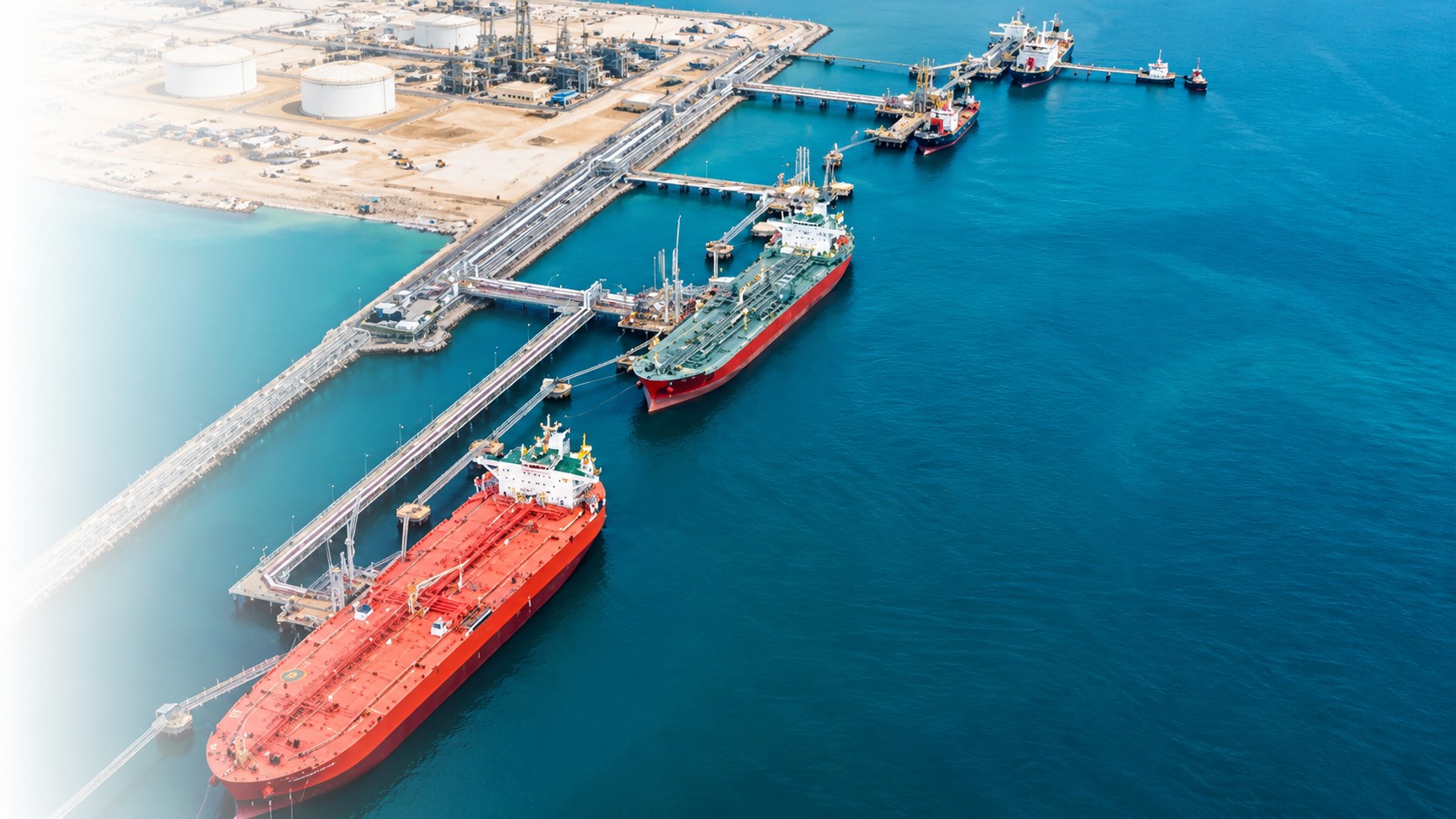
Washington renews Iran blockade
The reinstated US blockade threatens to reverse Iran's recent supply recovery, which had seen exports partially rebound and onshore inventories draw down sharply after the earlier outages, and could push output back toward the low, pre-war levels seen in May. However, Iranian vessels in the Mideast Gulf have risen to record highs (24), with Iranian onshore inventories falling by 15 Mbbls since May, providing some room for Iran to keep output higher for the time being.
President Trump announced Monday that the US is reinstating its naval blockade on Iranian ports and vessels, declaring that the Strait of Hormuz 'open, and will remain open, with or without Iran.'
The move follows a rise in tensions between both countries, and a fresh wave of US strikes on Iranian targets over the weekend. Trump also said the US would position itself as Guardian of the Hormuz Strait and charge a 20% fee on all transiting cargo — a proposal countries using the Strait are unlikely to accept.
The reinstated US blockade will have severe impacts on Iranian exports, thereby squeezing Iranian crude supply that had been on a path to recovery since the June ceasefire.
Weekly Iranian crude exports reached a peak of ~1.5 Mbd for the week beginning 29 June. Although early reports suggested the US had struck Kharg Island, we have yet to see any disruption to near-term loadings at the terminal. Still, the US blockade — positioned on the outskirts of the Gulf of Oman — is set to reduce Iranian exports to a trickle in the weeks ahead, although the path back to pre-war lows may take time (see below).
Weekly Iranian crude exports by port, kbd

Source: Kpler

See why the most successful traders and shipping experts use Kpler