.webp)


1.2bn+
350k+
2.5m+
11+
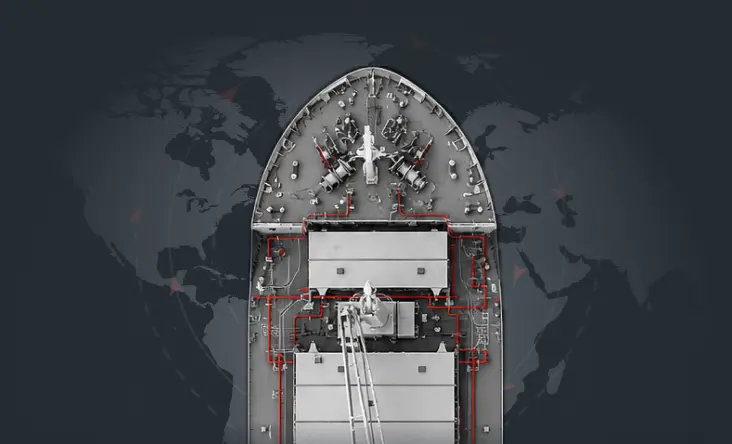
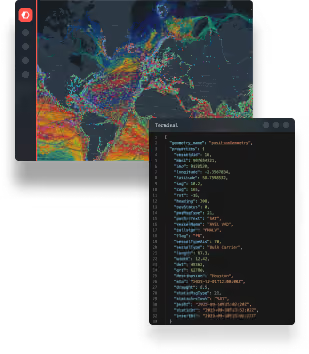
- The largest multi-source AIS feed available on the market. Built on a network of over 13,000 coastal receivers, host vessels, and our proprietary satellite constellation
- Kpler AIS provides comprehensive global coverage with over 1.2billion daily messages and sub 25 seconds message frequency - meaning reduced coverage gaps across ports, coastlines, congested trade lanes, and open ocean
- Real-time, live positions delivering vessel location, speed, course, heading, destination, ETA, draught, and navigational status. Available via REST API, NMEA, Kafka or as a custom download
- Full historical AIS positions to reconstruct past tracks, backtest models, and build defensible movement timelines. Over 11 years of data available. Available via REST API or as a custom download
.webp)
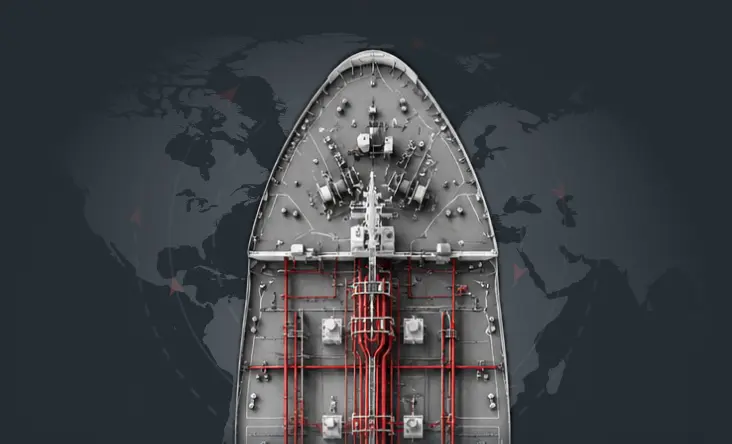
- A contextualised picture of vessel movements ensuring you understand not only where a vessel has been, but also what it has been doing
- Receive operational changes as they happen with real-time events – ETA updates, destination changes, draught adjustments, course changes, status transitions and more
- Monitor port, terminal and berth traffic and performance including vessel arrivals, departures, dockings, and undockings at port and berth level
- Surface trends and build defensible operational baselines by analysing historical port activity, dwell times, and movement patterns. Available as a custom download
.webp)
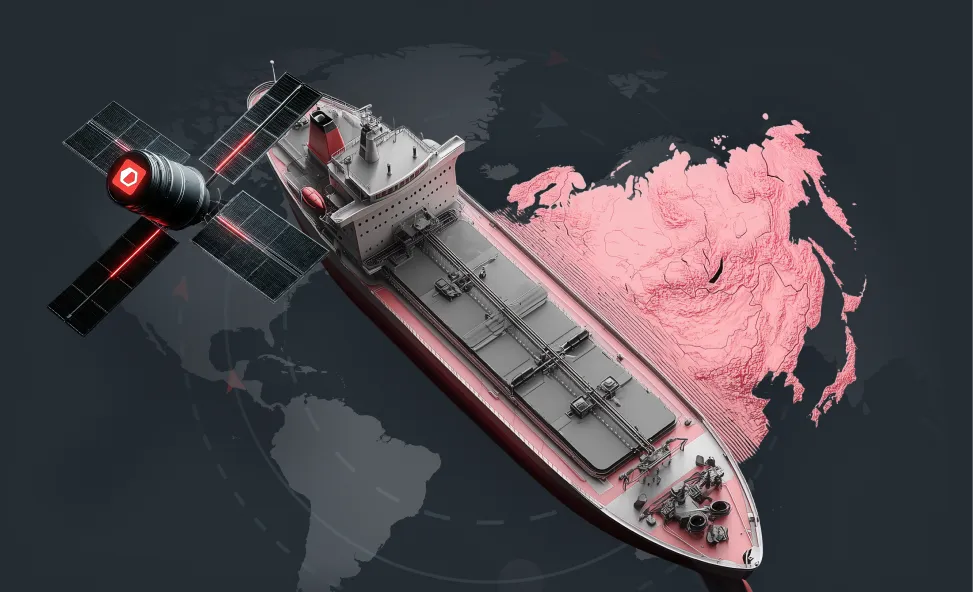
- Realistic vessel routes, distances, and ETAs, modelled on actual operating conditions, not straight-line estimates
- Receive a navigable route or distance between a vessel/point/port and a destination with supported alternative,inland-waterway or canal choices – essential for accurate voyage planning, fleet operations, and more
- Understand the likely progress and arrival times for a journey, including last/next port context, reported and calculated ETA,and more, essential for arrivals and logistics planning
- Anticipate vessel destinations before arrival, giving logistics, port operations, trading, and customer visibility teams earlier signal to act on
.webp)
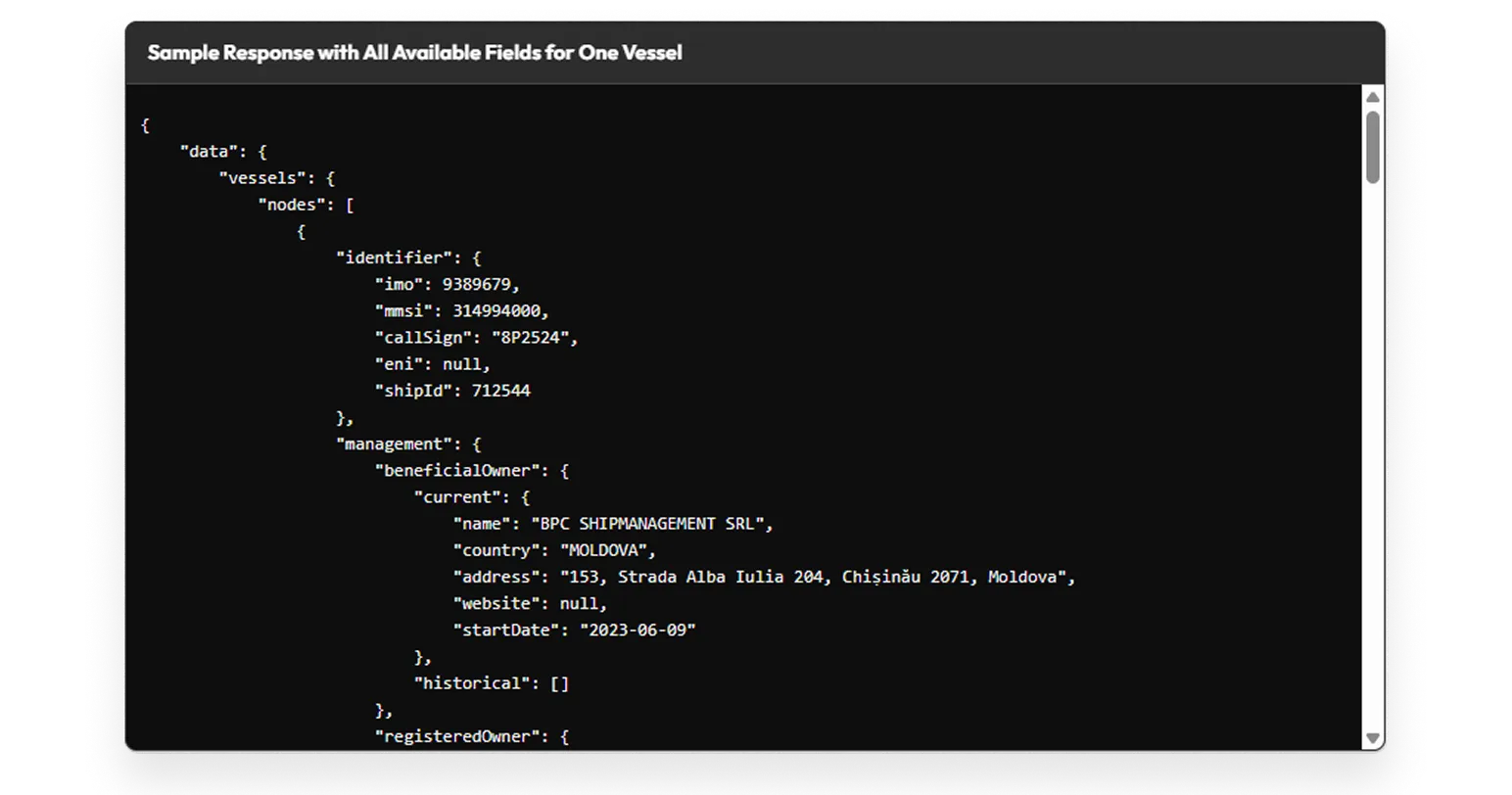
- Conduct fast, accurate due diligence and optimise supply chains with flexible and granular vessel particulars and ownership data, available for the entire global fleet of 2.5M+ vessels
- Access six levels of ownership and management context including registered owner, commercial manager, associated companies, and historical company associations
- Benefit from enhanced vessel particulars data including identifiers, type, flag, class, dimensions, draught, capacity, build details, and shipyard information
- Our chosen GraphQL format delivers unparalleled flexibility in querying and filtering, making it easy to retrieve data that meets specific criteria and use cases
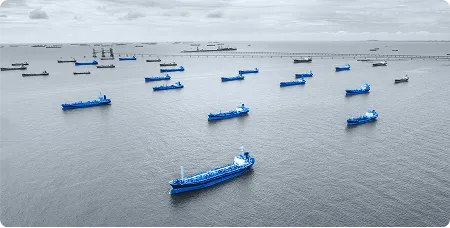
- REST APIs for on-demand access to AIS positions, historical positions, routes, events, and other maritime datasets — integrating maritime intelligence into applications, dashboards, and workflows
- GraphQL for vessel ownership and particulars — requesting exactly the fields needed without pulling unnecessary data into your systems
- Kafka or NMEA streams for real-time ingestion — decoded JSON through Kafka or raw AIS messages through NMEA, fitting the infrastructure your team already runs
- Snowflake, LiveDB, S3, FTP, and custom extracts for data teams bringing maritime datasets into BI tools, data lakes, GIS systems, and internal models

“It supports a more responsive insurance model, and gives us meaningful visibility in situations where speed and clarity really matter.”
Explore our case studies for maritime markets

FAQ
Maritime data covers vessel positions, movements, and characteristics gathered via AIS (Automatic Identification System). Kpler sources it from a network of 13,000+ coastal receivers, host vessels, and its own satellite constellation, processing 1.2 billion+ messages daily with sub-25-second latency.
Yes. Data is available via REST API, GraphQL, Kafka, or NMEA streams, as well as Snowflake, LiveDB, S3, FTP, and custom extracts — so teams can integrate it into applications, dashboards, BI tools, or data lakes depending on their existing infrastructure.
Kpler provides over 11 years of historical AIS positions, enabling users to reconstruct past vessel tracks, backtest models, and build defensible movement timelines.
Ownership and particulars data covers 2.5 million+ vessels globally, with up to six levels of ownership and management context — including registered owner, commercial manager, associated companies, and historical company associations — alongside technical details like dimensions, draught, capacity, and build information.
Yes. Port, berth, and vessel event data captures arrivals, departures, dockings, and undockings at the port and berth level, along with real-time operational changes like ETA updates, destination changes, and status transitions — giving context on what a vessel is doing, not just where it is.