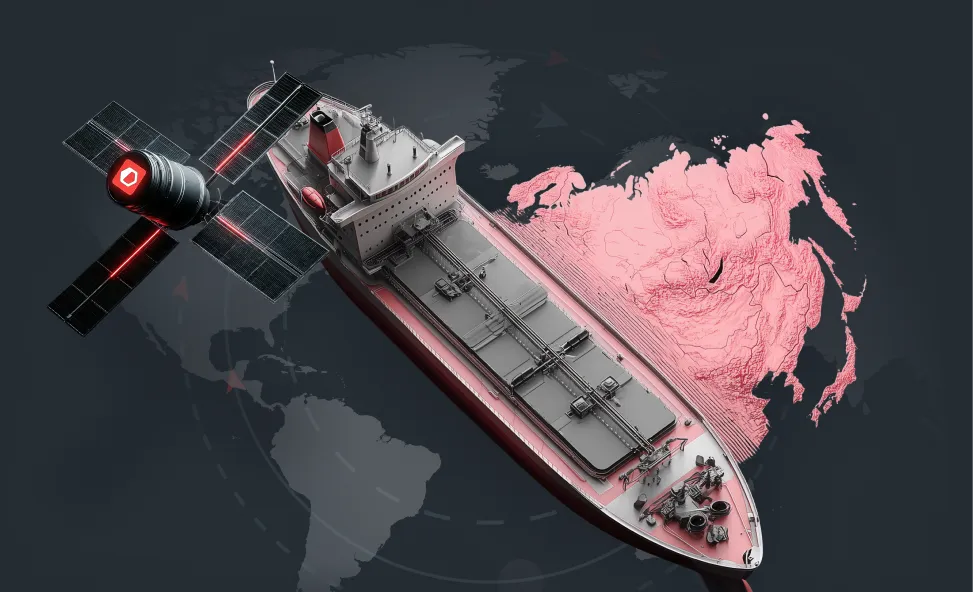
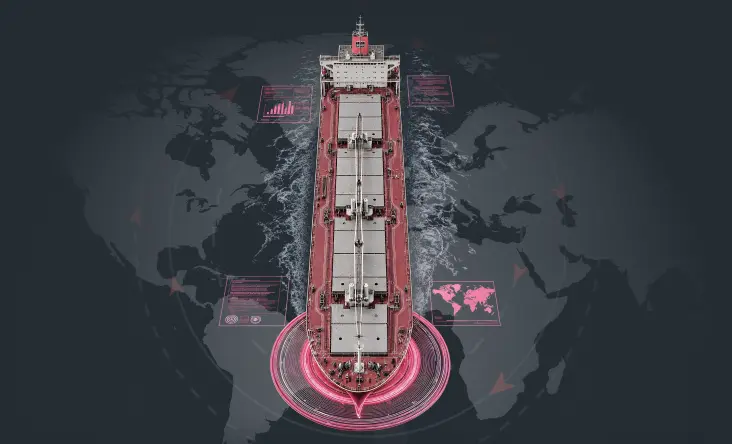
Turn AIS, vessel identity, and port event shipping data into maritime intelligence, so you know where trade, supply, and demand are going before the market catches up.


5yrs
35+
Global
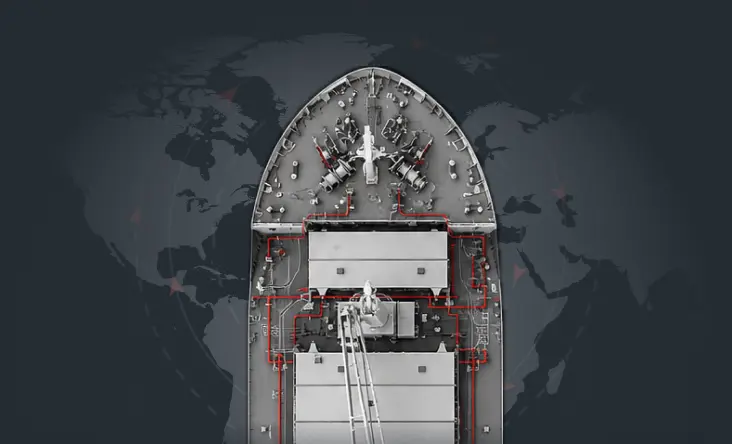
Analyse how vessel activity changes over time across specific maritime areas, including anchorages, EEZs, canals, straits, chokepoints, shipping zones and other defined areas.
Track entries, exits, crossings and transits to understand changing activity patterns within the locations that matter to you.
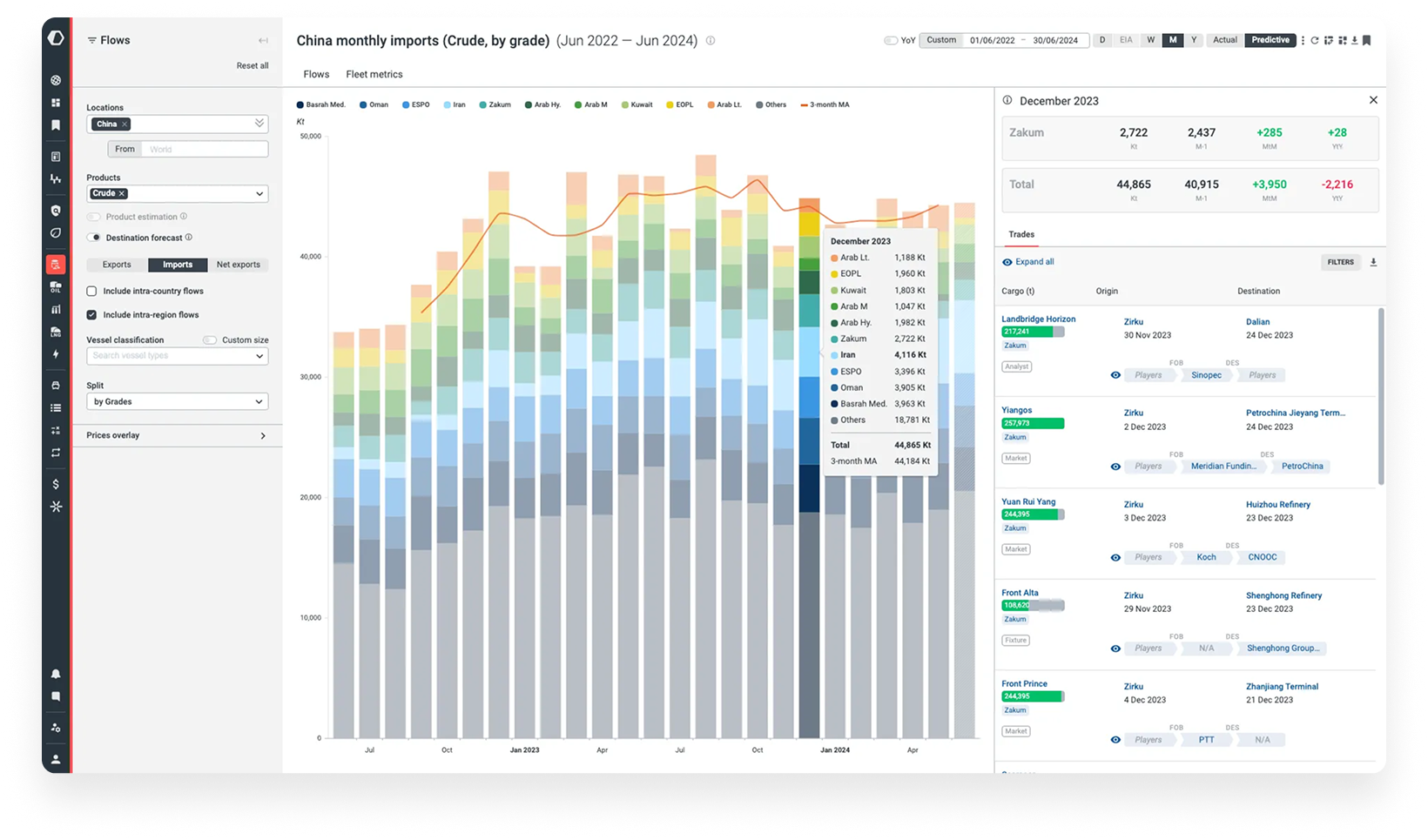
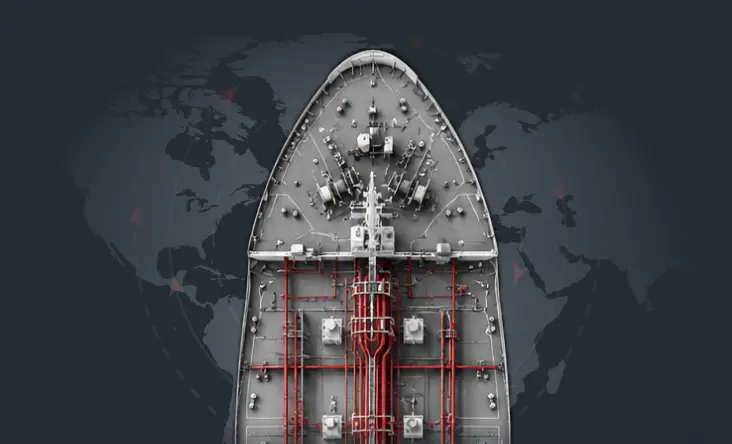
Track how fleets, ownership groups and vessel characteristics are evolving, including newbuild orders, fleet additions and vessel scrapping over time.
Analyse changes across owners, managers, flags, fleet groupings and vessel characteristics to identify shifts in fleet composition and the companies behind them.
Analyse how vessel events and shipping activity change over time across locations and fleet segments.
Explore trends in activities such as bunkering, STS transfers, pilot boarding, tug assist, docking, waiting and drifting, and measure how long vessels spend at terminals and berths.

“Working with Kpler allows us to provide better products, reduce emissions, and help customers optimise their operations.”
The latest news & insights
FAQ
Shipping intelligence is the analysis of vessel, port, fleet and ownership shipping data to identify trends in maritime activity. Kpler’s Shipping Intelligence, built on MarineTraffic, brings historical vessel movements, port activity, fleet characteristics and ownership data into one visual analytics environment, so teams can compare activity over time and act on meaningful changes.
Maritime intelligence is insight derived from vessel movements, port activity, fleet composition and ownership data, used to understand how trade and shipping markets are changing. Shipping Intelligence turns AIS and vessel identity data into maritime intelligence you can filter, compare and track over time.
Shipping data covers vessel positions (AIS), port calls, vessel identity and particulars, ownership and vessel events. Shipping Intelligence combines these into up to five years of historical data you can analyse by port, country, vessel type, owner and operator.
A port call is a vessel's visit to a port, recorded from arrival to departure. In Shipping Intelligence, port calls are derived from AIS and vessel identity data, so you can see how many vessels arrive at and leave a port, and how that changes over time.
An area of interest is a defined maritime area you want to monitor, such as an anchorage, EEZ, canal, strait, chokepoint or shipping zone. Shipping Intelligence measures how vessel activity in that area changes over time.
Yes. Fleet Development breaks changes down by owner, manager and flag. This shows which companies are growing, renewing or shrinking their fleets, and where the wider fleet composition is shifting.
A vessel database describes individual ships as they are today. Fleet Development shows how groups of ships change over time, so you can analyse trends rather than look up single records.