

Fertiliser loadings persist as vessels look to navigate the Strait of Hormuz
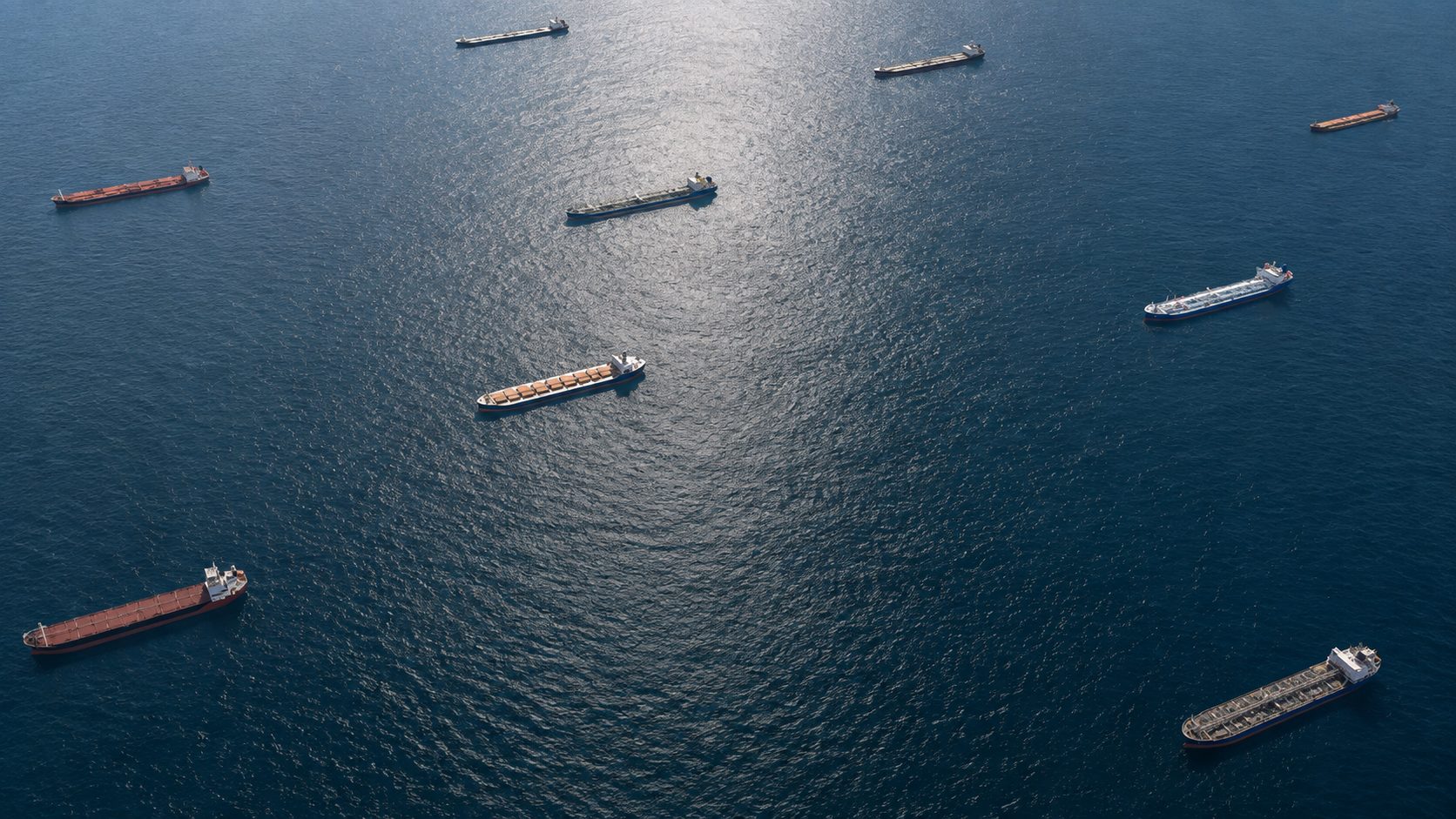
The US-Israel-Iran conflict delivered a severe shock to the global fertiliser market. Port suspensions, production halts, and a fleet of laden vessels with cargoes from across the Middle East Gulf unable to transit the Strait of Hormuz.
We observe 23 vessels loading or laden with fertilisers in the Middle East Gulf. This is minus a single vessel (Ksl Hengyang) that transited the Strait of Hormuz on 7 March. No other vessel laden with fertiliser has departed the region since.
Increased activity in the Strait of Hormuz
Despite fewer Strait of Hormuz crossings since 2 March, we detect increased activity among both laden and ballasting bulkers around the Strait. The bulk carrier Heilan Journey, carrying 54.80kt sulphur, departed Jubail, Saudi Arabia, on 9 March. The vessel has been indicating 'Singapore' as her next destination. She has also updated her AIS signal as "CHINA OWNER&CREW", which is an initial indicator of her intention to transit the Strait of Hormuz.
Middle East Gulf fertiliser vessel status
23 vessels in the Gulf are either loading or are laden with fertiliser, split across the following products:
- 530.20kt urea
- 358.00kt sulphur
- 133.70kt phosphates (MAP/DAP)
- 54.90kt fertiliser (TBD confirmation of grade)
* Changes to aggregate figures will change constantly as vessels load/cross Hormuz.
Notable vessel movements
- Ksl Hengyang (51.50kt sulphur) loaded in Jubail, transited the Strait of Hormuz early 7 March. She is the first vessel to exit the Gulf since the conflict began. No other vessels scheduled to load fertiliser have entered the Gulf.
- Heilan Journey (54.80kt sulphur) departed Jubail, Saudi Arabia, on 9 March. She is now heading for Singapore and is the most recent vessel, after Ksl Hengyang, to update her signal as "CHINA OWNER&CREW".
Since the conflict began, vessels that were recently discharged in the Middle East Gulf have been heading to berths to load fertilisers.
- Kiran China (61.30kt urea) arrived at a berth in Mesaieed, Qatar, on 10 March.
- Heilan Brother (54.70kt sulphur) arrived at a berth in Jubail, Saudi Arabia, on 9 March.
- Wladyslaw Orkan (29.30kt sulphur) arrived at a berth in Ras Laffan, Qatar, on 8 March.
- Chang Chang Dong Hai (55.00kt phosphorus fertilisers) arrived at a berth in Ras al Khair, Saudi Arabia, on 7 March.
- Equinox Orenda (56.60kt urea) arrived at a QAFCO berth in Mesaieed, Qatar, on 6 March.
- Heilan Journey (54.80kt sulphur) and Es Integrity (33.3 Kt urea) arrived at Jubail, Saudi Arabia berths on 4 March.
As of early March, vessel tracking reveals a slow but visible build-up of fertiliser-laden carriers around the main anchorage areas of the Gulf - from Ras Laffan to Fujairah - with Hormuz transit status uncertain across the fleet. The shipping market's response is neither uniform nor predictable: risk appetite, insurance coverage, and operator nationality are all influencing individual transit decisions, making granular, real-time vessel tracking the only reliable way to map the pace at which, or whether, the export backlog is clearing.

See why the most successful traders and shipping experts use Kpler
Get real-time market intelligence on how the Middle East conflict is reshaping dry bulk trade