US to NWE reopens, eyes fixed on new supply
A week after a rebound in HOGO closed off arbs into Europe, USGC to NWE economics have reopened as NWE cash diffs firmed and cheaper MR freight supports economics in the Atlantic basin. Meanwhile, East of Suez is largely dictated by freight, with improvements in E/W being outweighed by freight costs tracking higher.
Executive summary
Source: Kpler, 2026-10-12 14:30UTC
Trading calls:
- Slightly bullish HOGO: Supply pressure in Europe amid announced G7 stock releases and steady inflow of diesel barrels from East of Suez has seen pressure exhibited on the European leg of the spread, while continued seasonal demand in the US, particularly amid the current harvest season, should support heating oil in the short term.
- Bearish Nov/Dec Ice gasoil futures: The possibility of Russian barrels landing into the market is likely to pressure the European complex through displacement as buyers in North Africa, Turkey and Brazil line up for Russian cargoes, reducing competition for Atlantic basin supply.
West of Suez: US lanes reopen but the cushion is thin
The G7-led release of diesel stocks was the predominant narrative in the past week, pressuring gasoil futures. Meanwhile, workable and booked October discharge windows into Europe from West Coast India from late August to mid-September has resulted in barrels arriving from East of Suez in the first two weeks of the month. Around 165kbd of Gasoil/Diesel from WCI is expected to arrive in the EU-27 and UK in October, the highest volume since December last year.
Arrivals from the US remain steady this month, following a period of narrow HOGO, which briefly inverted in late September, encouraging transatlantic barrels even as freight costs tracked higher, though pressure eventually emerged from high freight and wider HOGO, which closed off arbs from the US into Europe for most of last week.
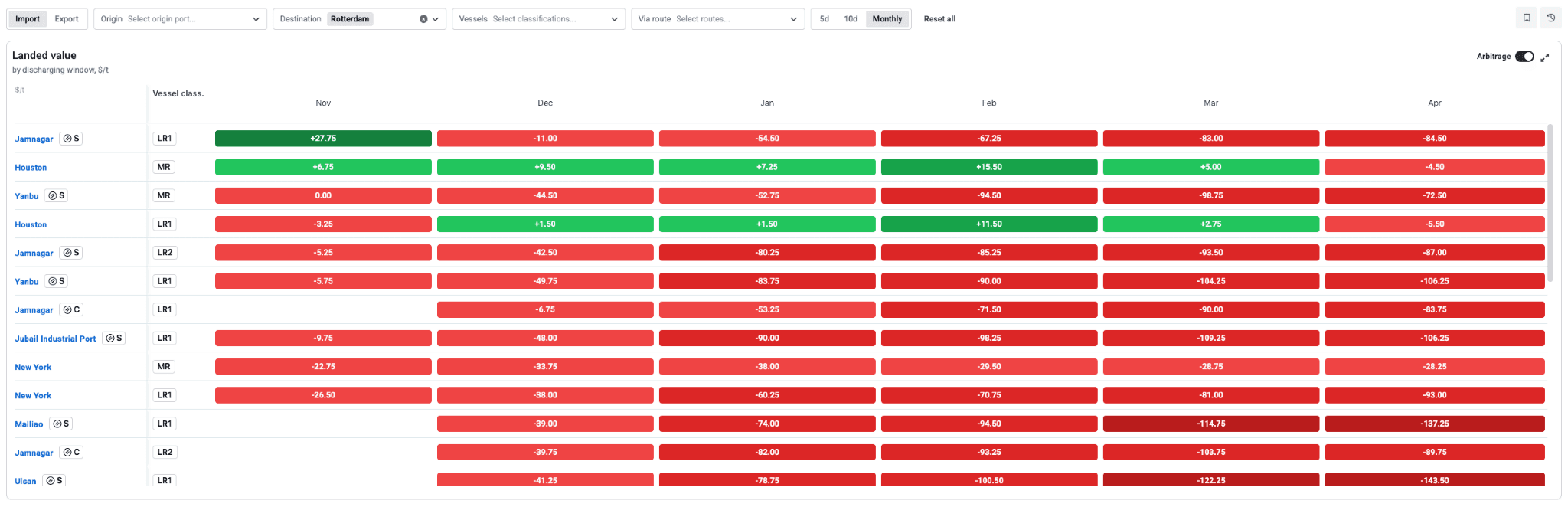
However, this reversed on Friday, with arbs into Europe reopening from the USGC. Arbs for mid-November delivery have flipped from around -$18/t last week to around +$6.75/t today. It’s a similar story down the curve with December economics improving from +$1.50/t to +$9.50/t on the week and January discharge opening to +$7.25/t from -$11.50/t over the same time frame.
ULSD arbs into Rotterdam
Source: Kpler
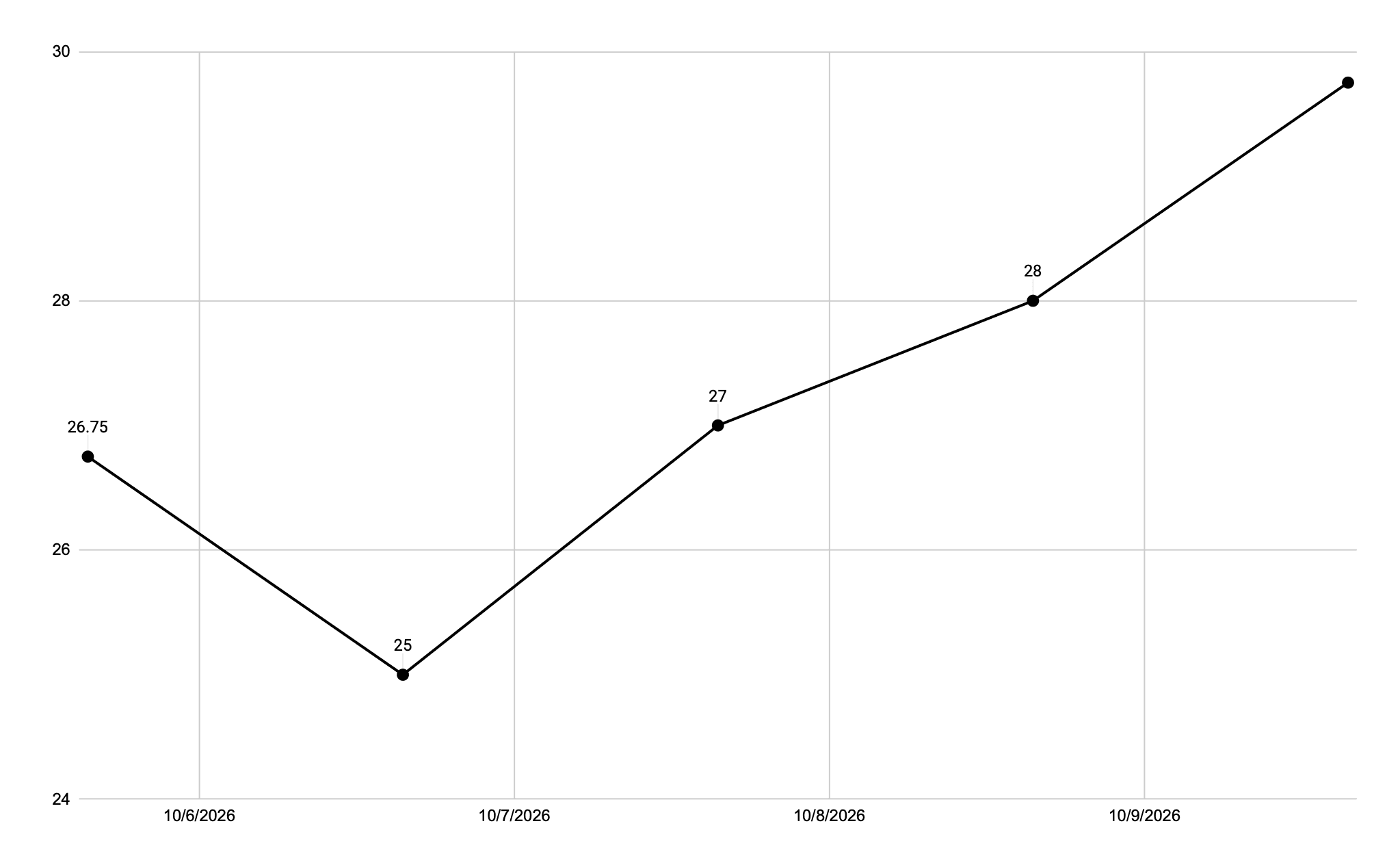
Cash diffs have firmed in Europe with November NWE 10ppm CIF differentials to Ice gasoil rising by $3/t to around $29/t at the time of writing, according to brokers. Meanwhile MR USGC to UKC spot rates have also come off sharply in the week, dropping from 375WS on 5 October to 310WS by Friday.
November 10ppm CIF NWE Diff
So the US remains the most competitive region into Europe but margins are thin and an upward move in freight will quickly close off these outlets.
More recently, news over the weekend of a US-brokered deal for Russia to export around 800,000 tonnes over the next two months could add some length if the deal does indeed come to fruition. November gasoil futures came off by around 2.5% in early trading this morning (12 October), though have since started to claw back some of those losses.
Russian gasoil and diesel exports hit their lowest on Kpler record last week with the ban on exports ongoing. It's worth noting that export restrictions have been more of a preventative measure rather than a response to immediate shortages. With that, and a potential export arrangement in mind, it’s clear that Russia has the necessary length to commit to these export volumes – 300kt in October, 500kt in November and a further 1mn tonnes thereafter – and so could partially ease some of the tightness in the market.
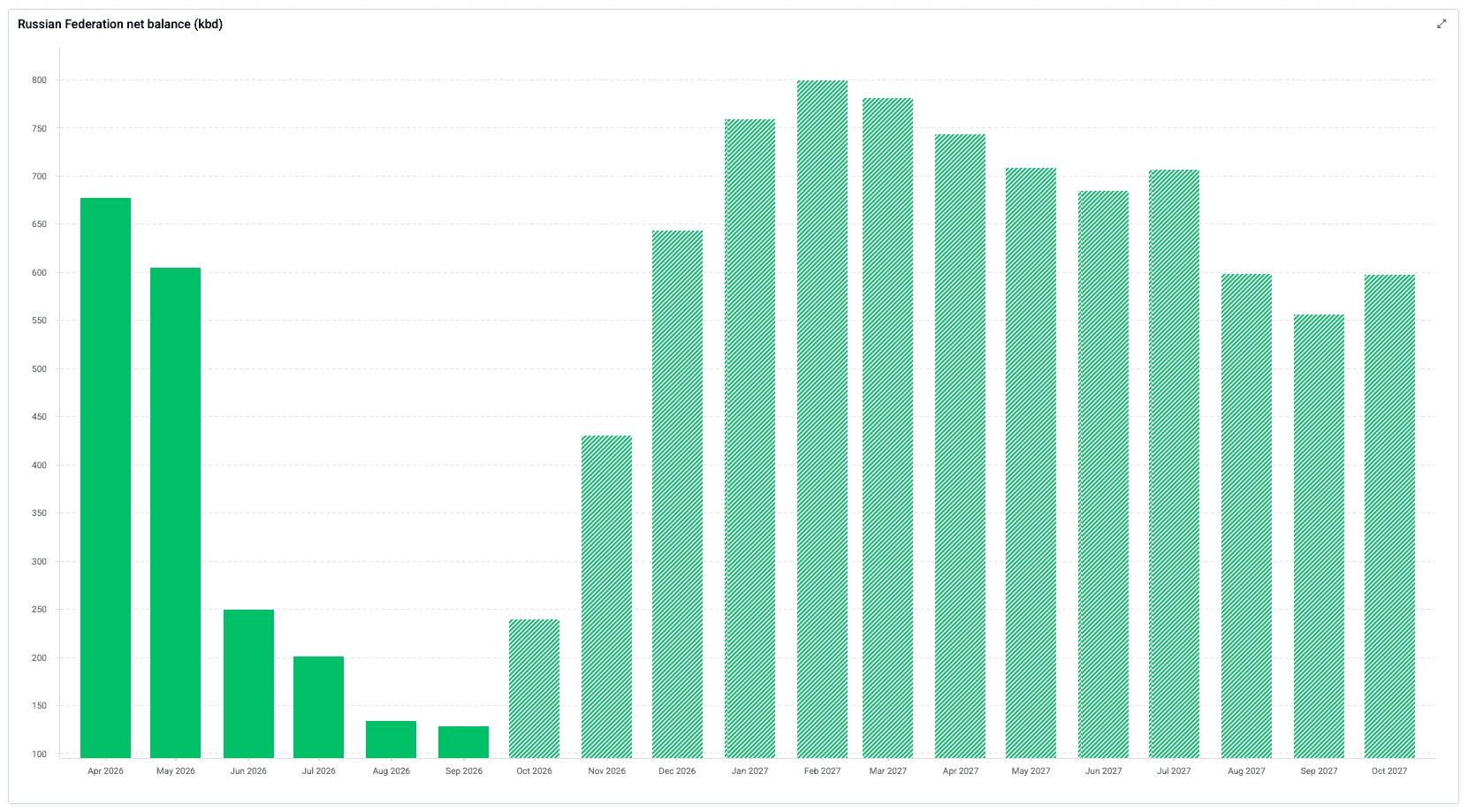
Most of these barrels would likely end up in markets in North Africa, Turkey and Latin America, with the US itself not short of diesel and Europe not eligible to purchase them. This could pressure the European complex slightly in the short term as Russian barrels ease competition in the Atlantic Basin.
While the sentiment around stock releases and Russian exports is bearish, it's worth noting that doubts remain in the market as to the probability and feasibility of the latter.
With European balances still short for much of Q4 – mostly in the Med, with NWE balances lengthening into November and December – Europe will need to price higher for November and December barrels if politics fail, especially with freight rates elevated.
East of Suez: Freight gains outruns deeper E/W
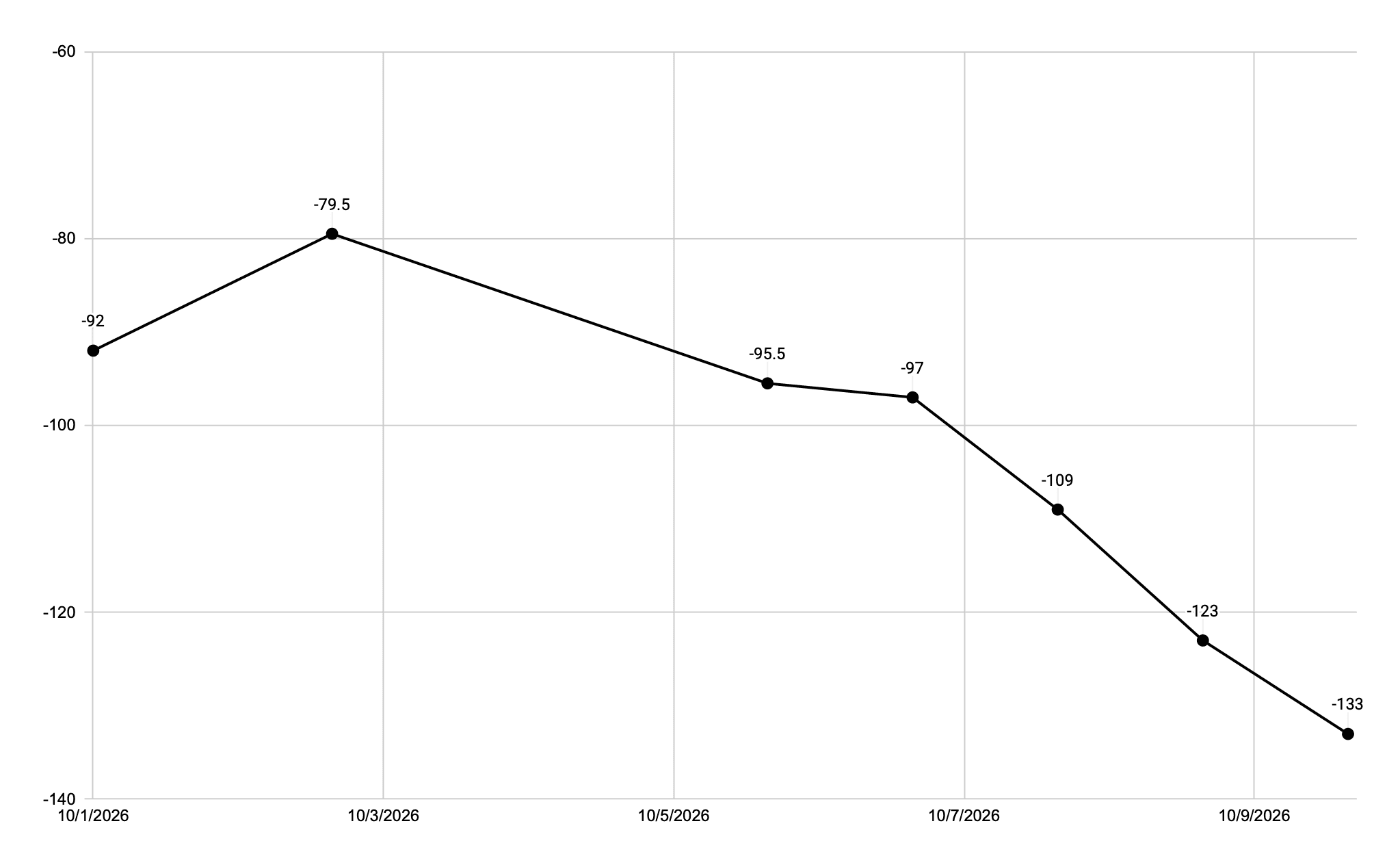
Indian lanes into the Med also improved in the last week with the E/W deepening and Med cash diffs increasing. The November E/W deepened from around -$91.50/t on 5 October to -$130.25/t today, while Med cash diffs rose to $31/t. Despite this, margins are still negative with freight closing off the possibility to bring barrels across with LR1 and LR2 rates continuing to increase.
November E/W
Elsewhere, Singapore currently offers no alternative for West Coast India with windows closed across vessel classes out to the end of the year. South East Asia is amply supplied, with exports from China to the region tracking above the 5 year seasonal average in September at 116kbd. In the short term, with China granting a third clean product export quota easing concerns of an export ban, Singapore spot prices could pull back, stymying intra regional economics further in the coming weeks, though this is a potential positive for the Atlantic basin.
Understand the global competition for middle distillate barrels
Diesel and jet fuel move between major supply and demand centres around the world. Changes in physical prices, forward curves, freight and voyage timing continually reshape which routes work and which markets offer the strongest economics.
Kpler Middle Distillate Arbitrage brings those components together in one forward view.
See which origins can commercially supply an importing market, compare competing destinations for available supply, and understand where current pricing is creating the strongest pull on marginal barrels.
Then put those economics into the context of the physical market with Kpler Flows, Fixtures, Tonnage Supply and wider market intelligence.

See why the most successful traders and shipping experts use Kpler