
Economics improve but arbs remain closed into Europe
All arbs into Europe remain closed in the prompt for a second consecutive week as rising freight costs in the Atlantic basin curtail improvements in TA economics. Cheaper LR2 rates out of WCI have seen arbs improve despite rising cash differentials, with WCI to the Med now within around $4/t of opening and European outlets still favourable compared to Eastern destinations.
Executive summary
Diesel arbitrage margins (26 October 16:00 UTC, change vs 19 October 18:30 UTC)
* w/w change is on the 11-20 Dec window
Trading calls:
- Bullish Singapore Dec/Jan Gasoil swap: Prompt fundamentals appear soft, with cash diffs pressured and front-month time spreads flatter. But tighter Chinese exports and South Korea’s export cap at 2025 levels could see the market tighten at year-end.
- Moderately bullish Nov/Dec ICE gasoil future: Arbs are closed in the prompt, amid already tight November balances in Europe. While supply will be helped by G7 SPR releases, the majority of these volumes may only come from 2H Nov.
West of Suez: freight keeps the prompt shut
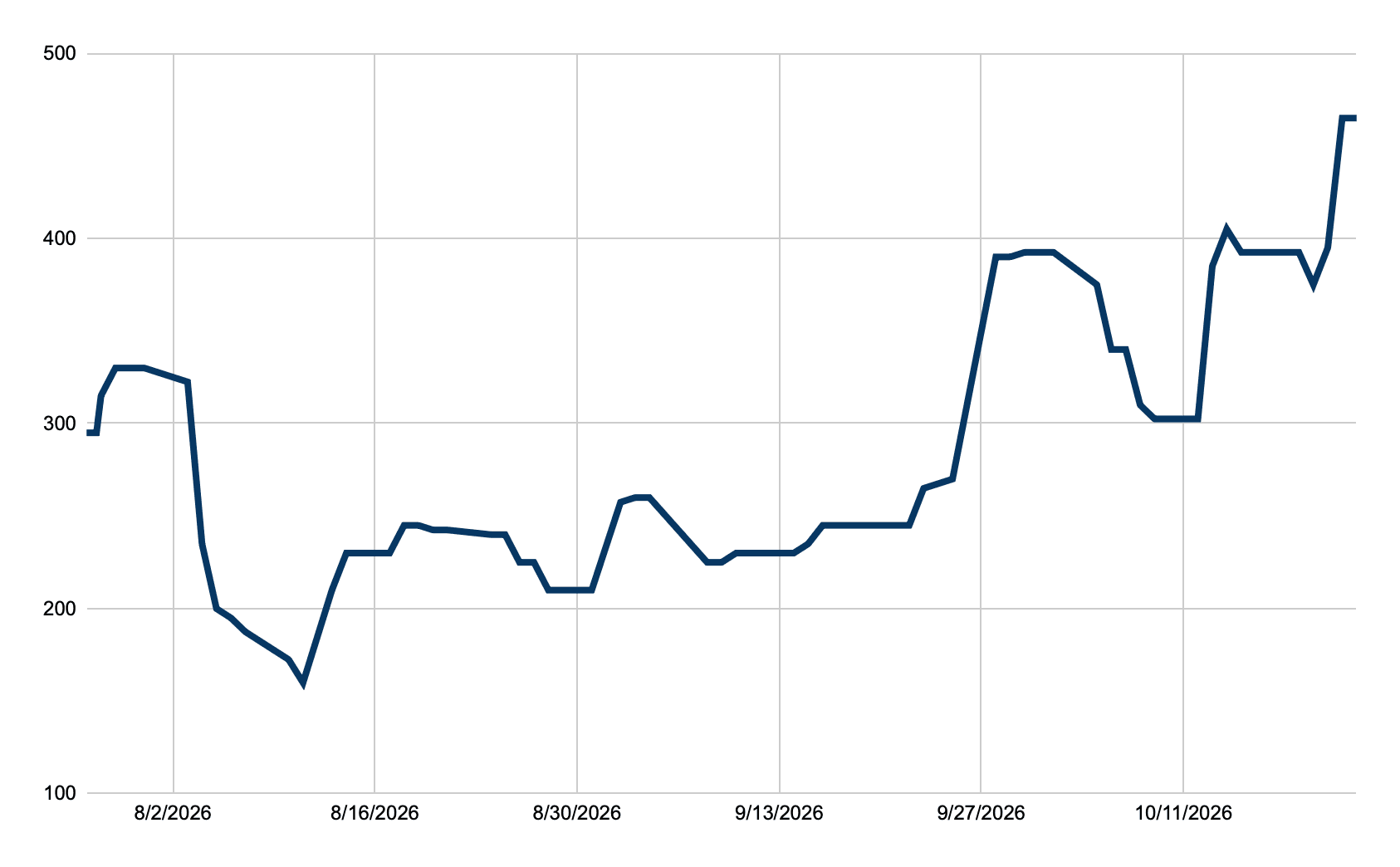
TA arbs remain closed off, though prompt 21-30 November margins narrowed by around $16.00/t in the week to -$9.75/t. Freight continued its upward push last week with spot USGC to UKC rates up just over 18% to 465WS – the highest level since the end of April – from 392.5WS a week earlier. This was more than offset by a favourable move in November HOGO swaps, driven by a stronger November ICE gasoil, and a firmer NWE diff.
MR, USGC to UKC, WS
Source: Kpler
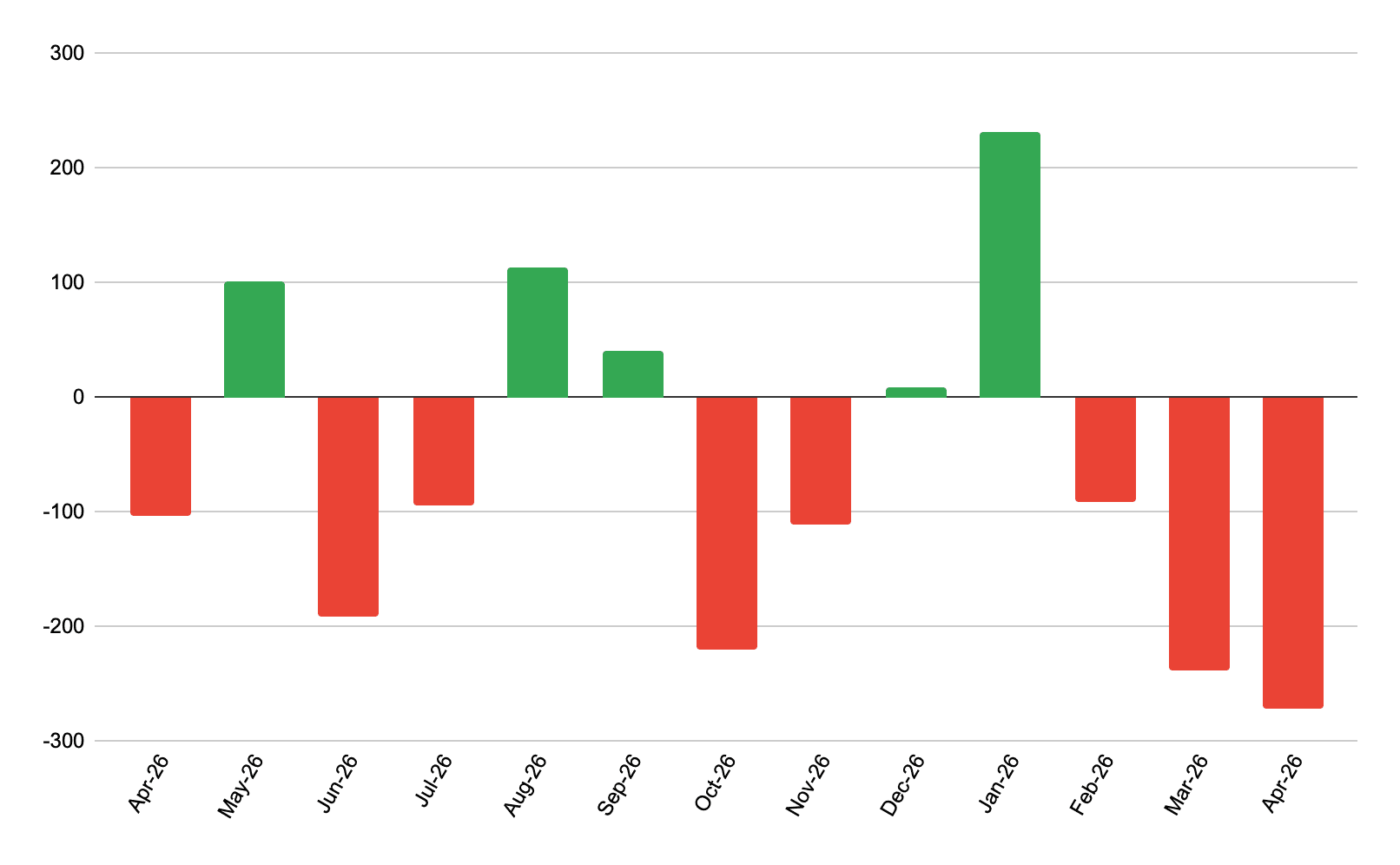
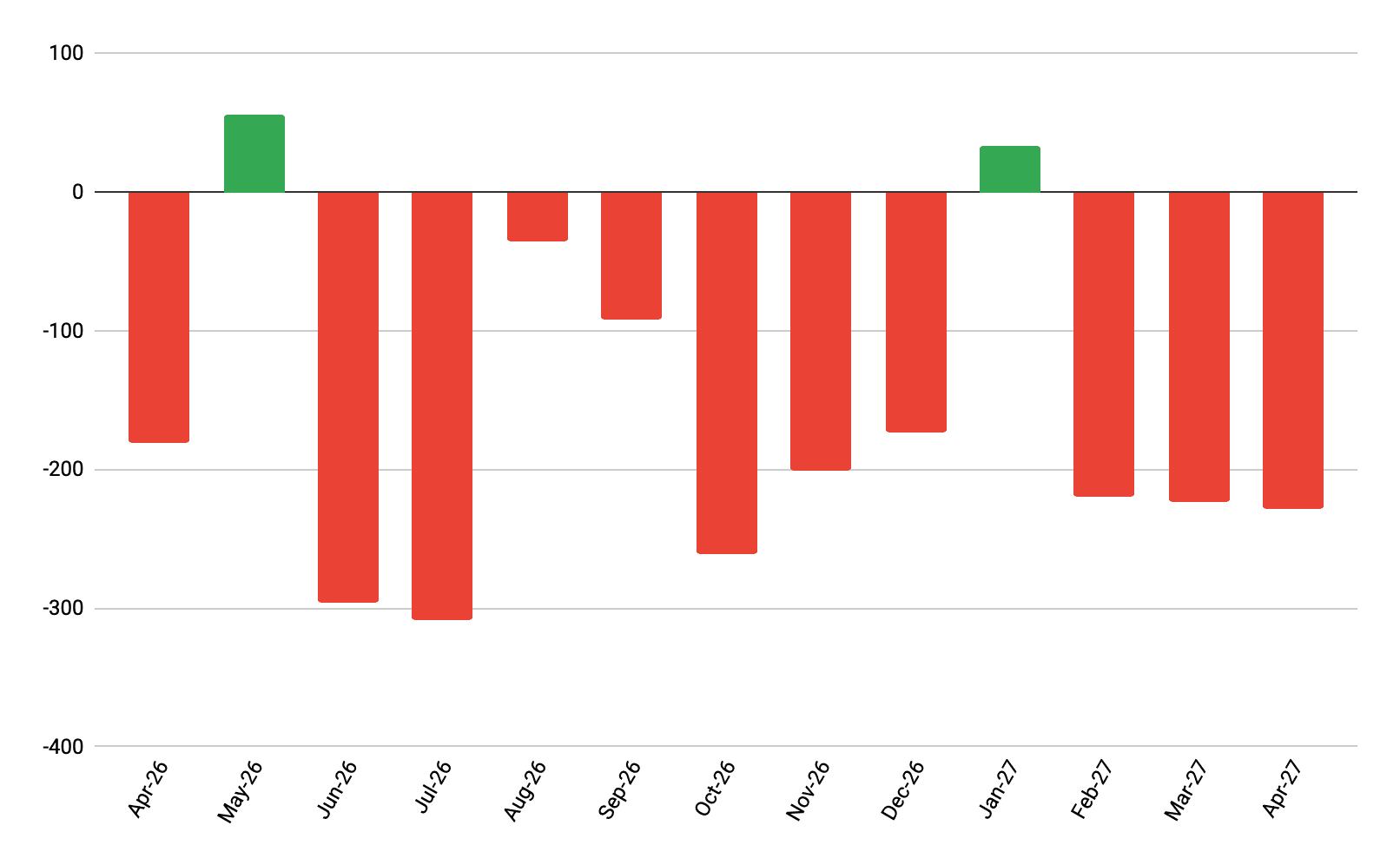
With the TA shut, US barrels are largely heading elsewhere. US exports to Europe have averaged around 160kbd so far in October, almost half September’s 298kbd, while flows to Latin America have edged up to around 970kbd from 925kbd. Placed into the wider context – with EoS loadings to the EU-27 and UK have averaged around 240kbd so far in October, less than 40% of last year’s 639kbd and are similar way below the five-year October average – NWE’s November deficit has deepened to 110kbd in this month’s snapshot, with December at a marginal +8kbd surplus. The Mediterranean is also short 201kbd in November and 173kbd in December.
NWE gasoil/diesel balance, kbd
Source: Kpler
Mediterranean gasoil/diesel balance, kbd
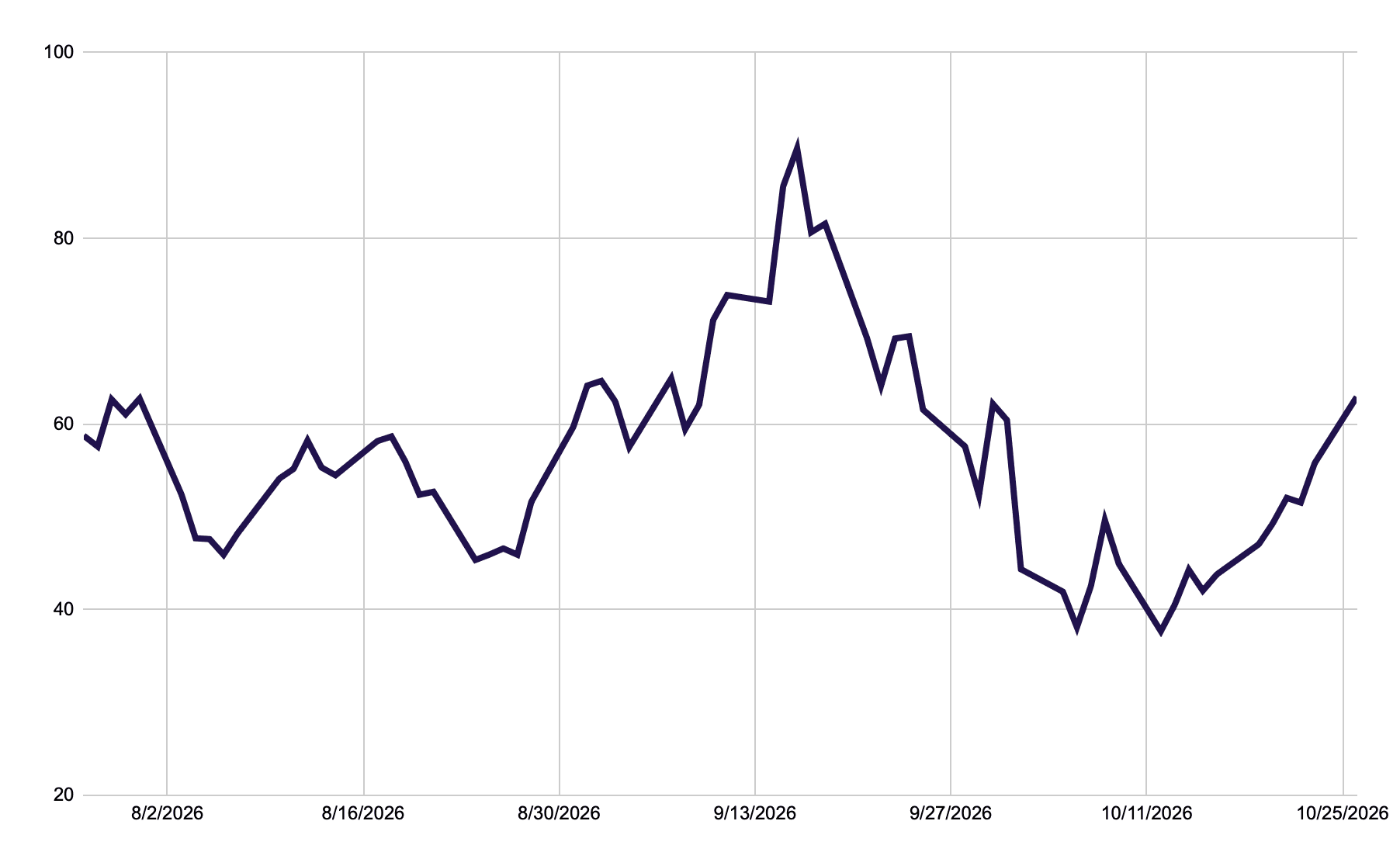
This tightness is showing up in the prompt, with ICE Nov/Dec gasoil futures spreads at $63.50/t in early trading on Monday, up around $16.25/t on the week. The steeper structure works against barrels landing in NWE in December, with cargoes loading through November for December arrival needing to account for this.
ICE gasoil Nov/Dec, $/t
One element possibly capping this upside and easing the squeeze further down the curve into the new year will be the added length coming from SPR releases. Spain is set to release 4.4Mbbls of diesel this month, and France committing to 10Mbbls of diesel starting in November. Germany announced that it will release around 16Mbbls, though the timeline and product split remain unclear.
Russia’s export commitment of at least 1.8mt may also add some pressure, though from a low base. Exports have averaged around 225kbd so far in October – the highest since June, but still only around a third of the 638kbd shipped in October last year. Several cargoes are signalling to land in the Med, possibly helping NWE buyers as competition eases for USGC barrels if TA economics improve.
East of Suez: freight softens but economics remain unworkable into the West
Freight once again drove the arb picture east of Suez. Prompt margins from WCI to the Med and NWE rose by $83.00/t to -$4.00/t (21-30 Nov) and by $80.25/t to -$34.00/t (1-10 Dec) respectively on the week, as LR2s came off. Spot WCI rates have shed around $6M from recent highs on 16 October to $11M lumpsum on Monday, representing a $75/t saving. This freight gain more than offset firmer cash differentials, which rose by around $6.30/bbl – or $47/t – since mid-October.
These firmer diffs come as supply from the Mideast Gulf comes under pressure, tightening Gulf and WCI availability into November. Mideast Gulf gasoil/diesel exports have collapsed, averaging around 72kbd so far in October against 205kbd in September, with no cargoes leaving the Gulf since 9 October. Escalating attacks around the Strait of Hormuz in recent weeks will likely keep transits limited, supporting Gulf and WCI differentials.
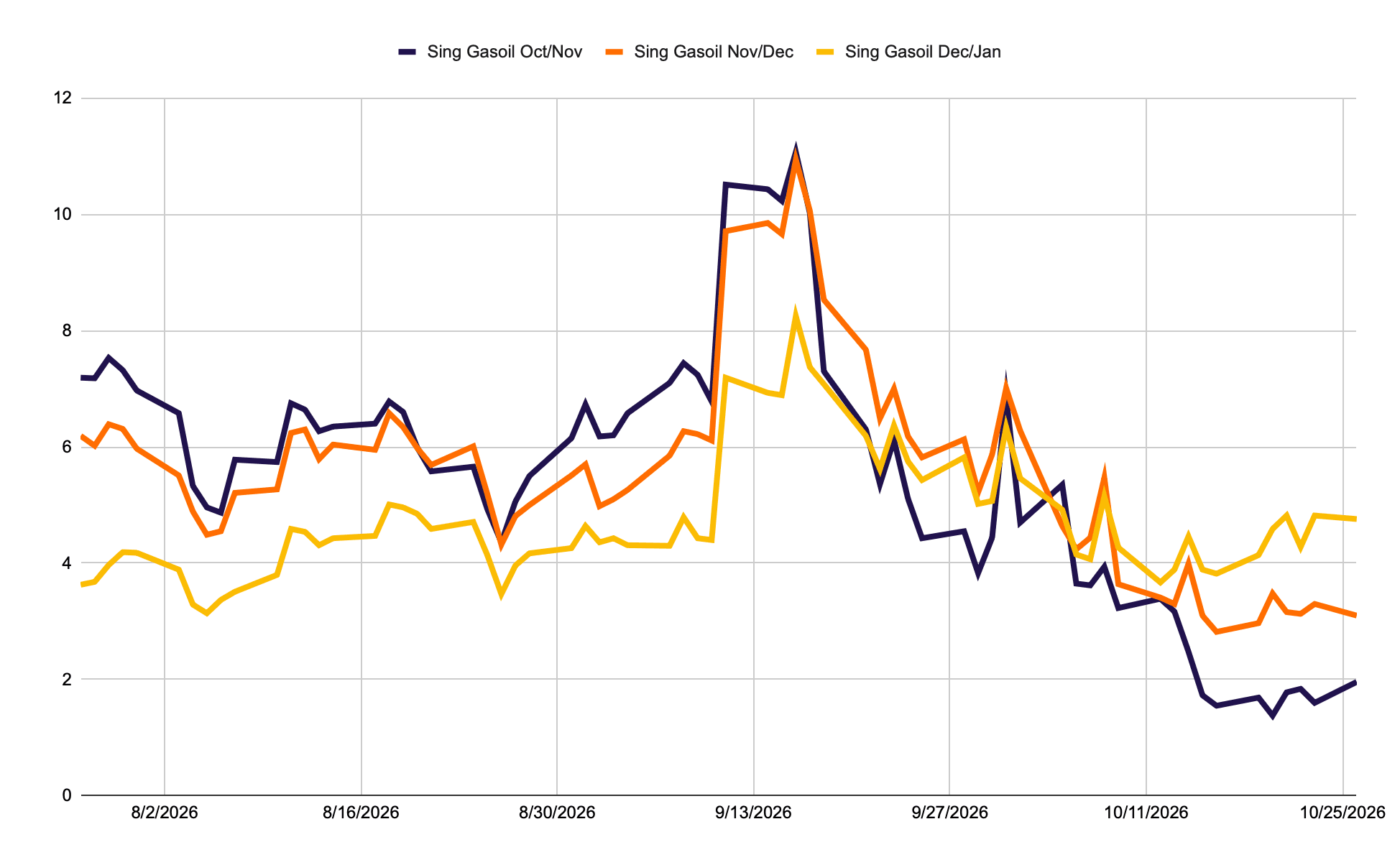
While shut, WCI barrels still point towards Europe. Singapore offers limited incentive to pull barrels east. Prompt WCI to Singapore MR margins for cargoes loading mid-November are around $7.25/bbl – or $57/t – worse than LR2s into Rotterdam for the same loading window. Singapore cash diffs have slipped from +$3.75/bbl to +$1.25/bbl since the start of October, back to early-July levels and Sing Oct/Nov and Nov/Dec gasoil swaps have also flattened in recent weeks reflecting relatively ample length in the region in October.
Balances are set to tighten in November however which should support WCI to Singapore economics. Chinese exports are lagging in October, and resupply from South Korea could be stymied with the government affirming its prioritisation of domestic supply by keeping exports to year-ago levels.
Sing gasoil swap time spreads, $/bbl
Source: Kpler

See why the most successful traders and shipping experts use Kpler

Pricing, freight, fixtures, and flow data in one decision-ready platform.