
Golden Pass LNG poised to export second cargo as HL Sea Eagle berths
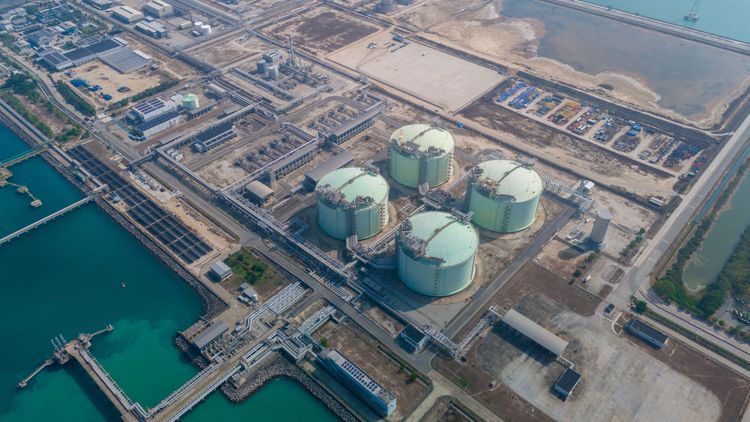
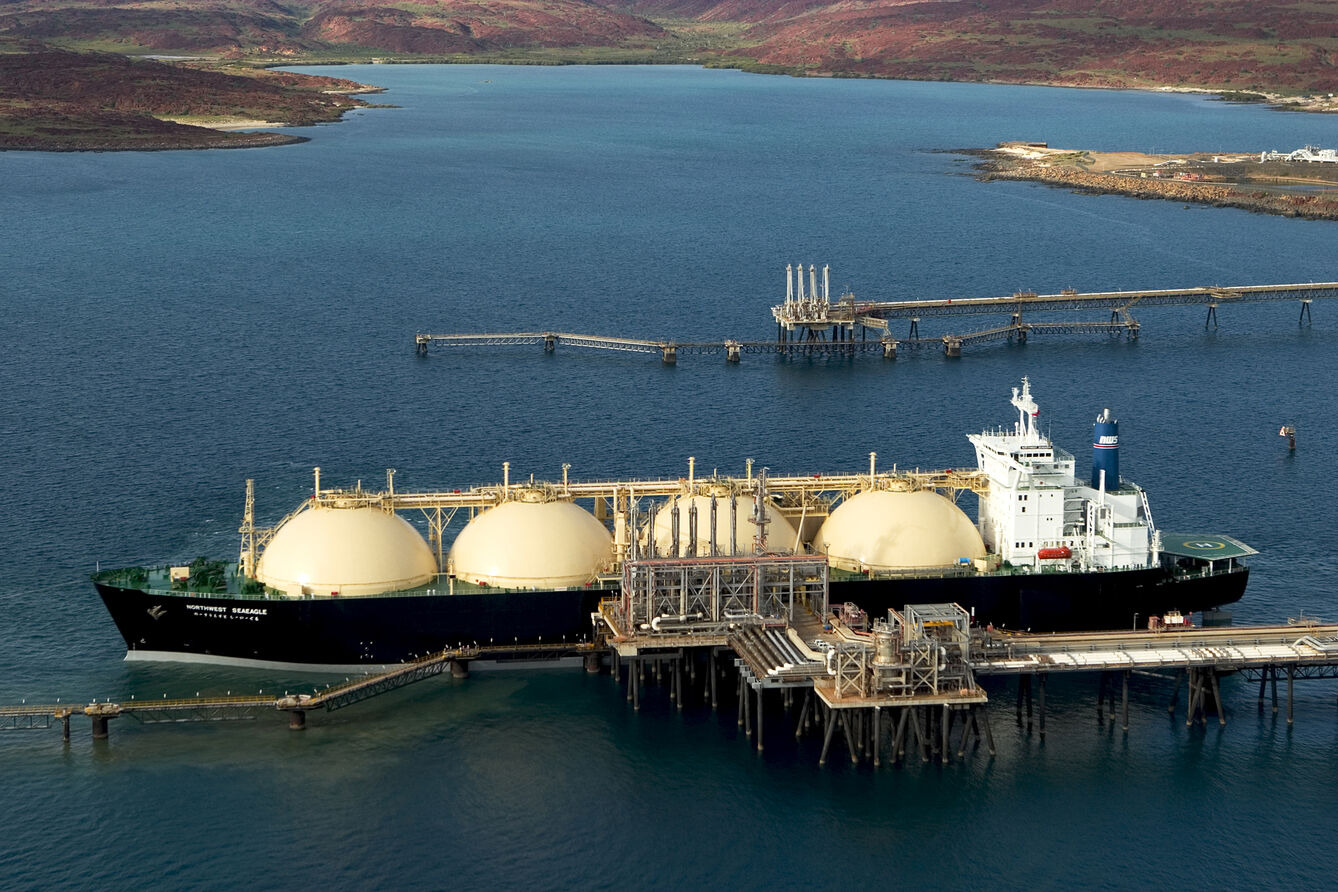
The 18 mtpa Golden Pass LNG terminal in Sabine Pass, Texas, is poised to export its second cargo with the arrival of the ExxonMobil-operated LNG tanker HL Sea Eagle, 15 days after it shipped its inaugural cargo on Apr. 22.
Kpler data show HL Sea Eagle is berthed at Golden Pass and is expected to depart after loading 168,780 m3 of LNG. The QatarEnergy-operated Al Qaiyyah loaded the project's inaugural cargo of 168,009 m3 on Apr. 22 and is en route to Belgium's Zeebrugge terminal with an expected arrival on May 8.
Market sources had expected QatarEnergy to lift the terminal's first two cargoes after Al Qaiyyah berthed at Golden Pass ahead of HL Sea Eagle, which had previously been expected to load the inaugural cargo. Instead, the ExxonMobil-operated vessel has taken the second slot.
According to industry participants, feed gas deliveries into Golden Pass have remained broadly flat since before the inaugural cargo loaded, standing at 0.37 billion ft3 a day on May 5 compared with 0.3 billion ft3 a day on Apr. 15 and 0.37 billion ft3 a day on Apr. 22. At roughly half the 0.8-0.9 billion ft3 a day required for full Train 1 utilisation, the flows imply a production rate of two to three cargoes a month and a loading cadence of around one cargo every 10-15 days.
Golden Pass, a 70:30 joint venture between QatarEnergy and ExxonMobil, began LNG production on Mar. 30. ExxonMobil said in its first-quarter earnings call on May 1 that it is targeting mechanical completion of Train 2 in the fourth quarter of 2026.
Golden Pass, the largest LNG project to come online this year, has become an increasingly important source of LNG supply as QatarEnergy grapples with disruptions at its 77 mtpa Ras Laffan export complex. Iranian missile strikes damaged two LNG trains at Ras Laffan in April, impacting 17% of its production and forcing it to declare force majeure on deliveries to some term customers. Security risks in the Strait of Hormuz have curtailed LNG tanker transits since the US and Israel attacked Iran on Feb. 28, constraining exports from Qatar and Abu Dhabi, whose combined exports through the strait in 2025 accounted for about 19% of global LNG exports.

See why the most successful traders and shipping experts use Kpler