From congestion to corridor realignment: How the Mombasa crisis is reshaping East African container trade
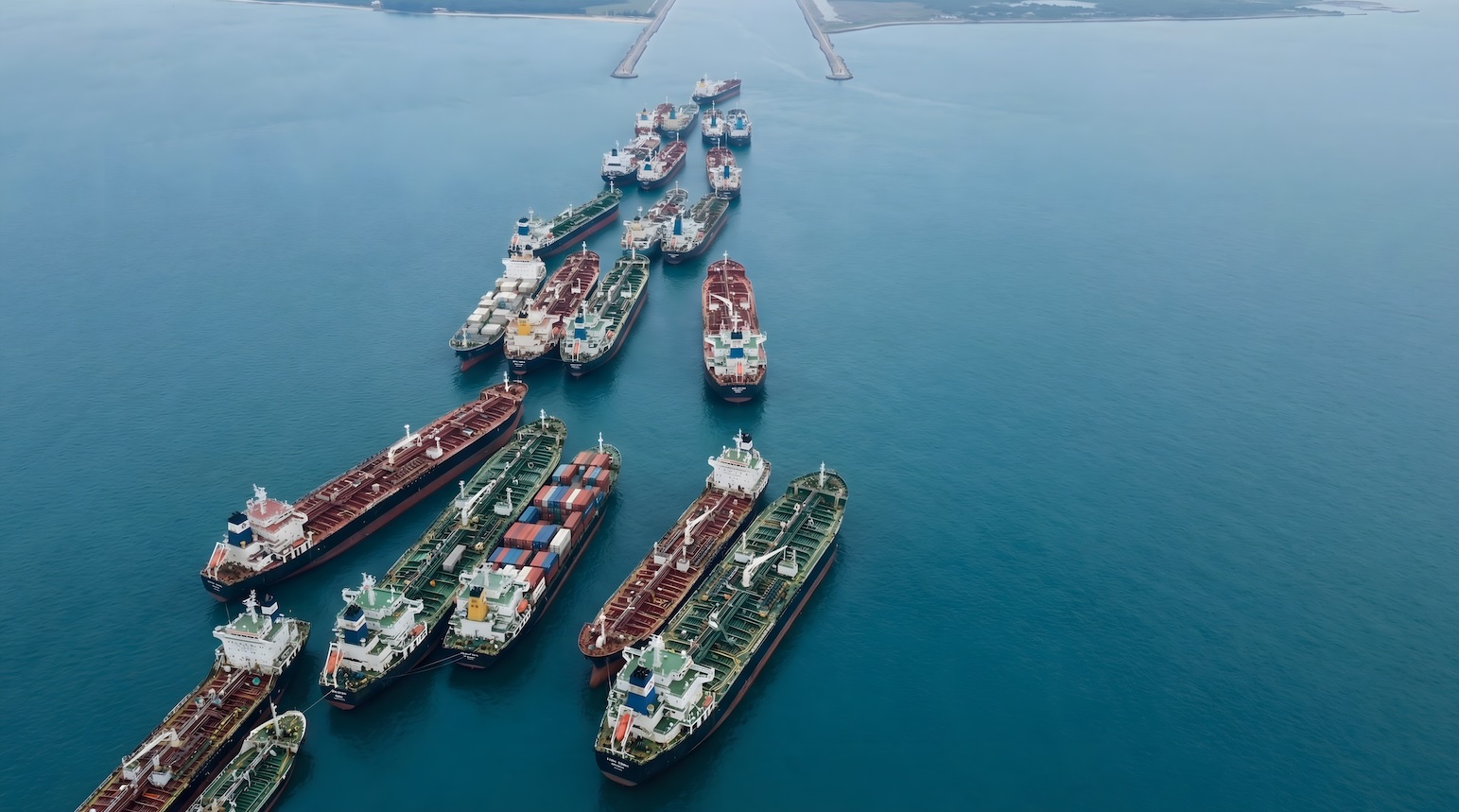
Since September 2025, the Port of Mombasa has become a focal point of concern for the global maritime industry. Reports describe a "perfect storm" of disruption—over 20 vessels idling at anchorage and berth delays stretching up to 14 days. Yet these headlines rarely capture the structural evolution occurring beneath the surface.
Using Kpler’s Container Intelligence, we move beyond port-level averages to analyse terminal-specific data across the KPA Container Terminal, Kipevu Container Terminal, and Dar es Salaam Port. Our findings reveal more than a congestion crisis—they signal a fundamental structural shift in East African trade corridors that demands attention from shippers, forwarders, and carriers alike.
Overview of port congestion in East Africa
In East Africa, congestion has traditionally been viewed as a temporary disruption caused by seasonal surges, labor disputes, or equipment failures.
However, Mombasa's current situation represents something different. The convergence of truck driver strikes, empty container bottlenecks, and infrastructure limitations has created chronic delays that are reshaping regional trade patterns. Landlocked nations—including Uganda, Rwanda, South Sudan, and the Democratic Republic of Congo—depend heavily on these coastal gateways. When one port underperforms, the ripple effects extend thousands of kilometers inland.
Key factors driving East African port congestion
- Empty container imbalances creating yard saturation
- Truck driver strikes disrupting landside operations
- Infrastructure constraints at legacy terminals
- Surging regional demand outpacing capacity investments
- Customs and documentation delays compounding berthing times
A tale of two terminals
In Mombasa, congestion pressure distributes unevenly across facilities. Our analysis reveals a stark contrast between the legacy KPA Container Terminal and the modern Kipevu Container Terminal—insights that port-level averages obscure.
KPA vs. Kipevu performance comparison
The following table summarises performance metrics across three distinct periods from June 2025 through March 2026:
Analytical highlights from terminal data
Waiting incidence patterns:
- KPA consistently shows extremely high waiting incidence (97–100%), indicating structural anchorage congestion that persists regardless of volume
- Kipevu maintains lower waiting incidence and improves in the latest period, dropping to 90%
Waiting time trends:
- KPA waiting times remain elevated even when throughput drops sharply
- Kipevu reduces waiting dramatically in the final phase, from 34.78 hours to 16.95 hours
Volume distribution shifts:
- Kipevu absorbs larger vessels with higher average TEU per call (reaching 4,328 in Phase 3)
- KPA experiences a sharp throughput contraction, with vessel calls falling from 32 to 14
Berth staying time differences:
- Kipevu consistently maintains longer berth stays, suggesting heavier move counts or more intensive handling operations
- KPA berth times decline in Phase 3, likely reflecting reduced volume rather than improved efficiency
Competitive landscape: Mombasa vs. Dar es Salaam
The East African maritime landscape is witnessing a fundamental shift in its center of gravity. What began as competition based on geographical proximity has evolved into a battle of operational elasticity and strategic reliability.
The "bargaining chip" effect
Since December 2025, landlocked nations have begun engineering their way around structural delays. South Sudan has formalized agreements to utilize Dar es Salaam and Tanga as primary gateways, integrating revenue systems with Tanzania to bypass the escalating costs and congestion of the Northern Corridor.
For regional traders, Tanzanian ports have become a vital bargaining chip. While Mombasa sits geographically closer to hubs like Juba, distance no longer serves as the deciding factor. Shippers now prioritise:
- Operational efficiency and predictable transit times
- Supply security and reduced risk of disruption
- Fiscal incentives such as extended free storage periods
- Lower landside transport costs despite longer distances
The reliability gap quantified
Using Kpler’s Container Intelligence data, we quantify the performance metrics driving this regional pivot:
The structural congestion gap
Mombasa's congestion has transitioned from a temporary hurdle to a chronic structural characteristic. The port maintained near-universal waiting incidence, 94.12% of vessels faced delays in the latest period. Dar es Salaam demonstrated superior adaptability, reducing its waiting incidence from 83.67% to 63.64% over the same timeframe.
Volume pressure vs. operational stability
In mid-2025, calling at Mombasa carried a 36% time penalty. Vessels waited an average of 45.09 hours compared to 29.38 hours at Dar es Salaam. While average waiting times converged to approximately 26–27 hours by early 2026, the underlying causes differ significantly:
- Mombasa's improvement resulted from sharp throughput contraction (vessel calls dropped from 72 to 34)
- Dar es Salaam achieved stability through operational resilience, maintaining consistent performance while managing regional surges
Strategic implications for supply chains
In container shipping, reliability serves as the ultimate currency. The data reveals clear implications for every stakeholder in the East African trade ecosystem.
For carriers
Sustained performance differentials will influence future service designs. Lines increasingly use independent terminal-level data to:
- Adjust vessel speeds for Just-in-Time arrivals
- Reduce fuel burn and improve Carbon Intensity Indicator (CII) ratings
- Optimise rotation schedules based on actual terminal performance
- Allocate capacity to ports demonstrating operational resilience
For beneficial cargo owners
Shippers can no longer rely on port-wide averages. Real-time monitoring of terminal-level performance has become essential for:
- Right-sizing safety stock based on actual terminal congestion rather than carrier estimates
- Planning inventory with 6+ week forecast windows from Kpler
- Negotiating service contracts with performance-based metrics
- Reducing exposure to the 122% surge in landside transport fees on the Mombasa-Kampala route
For freight forwarders
The ability to identify performance differentials allows proactive decision-making:
- Rerouting cargo before disruption impacts delivery windows
- Proving delays to customers with terminal-level timestamps
- Protecting margins against unexpected cost increases
- Offering differentiated service through predictive intelligence
The path forward: From guesswork to intelligence
As East African trade corridors realign, the winners will be those who replace guesswork with independent, predictive intelligence. The data tells a clear story: reliability perception now outweighs sheer volume capacity in determining port competitiveness.
For supply chain professionals navigating this evolving landscape, terminal-level visibility has shifted from competitive advantage to operational necessity. The ports that offer the most predictable windows for cargo movement—from sea to berth to hinterland—will capture the region's growing trade volumes.
Discover how terminal-level congestion data can help you optimise your East African shipping routes, reduce delays, and protect your margins.
Frequently asked questions
What causes port congestion in East Africa?
Port congestion results from multiple factors converging simultaneously. In Mombasa's case, truck driver strikes, empty container imbalances, infrastructure constraints at legacy terminals, and surging regional demand have created chronic delays. The KPA Container Terminal shows structural congestion with 100% of vessels waiting in the latest period—regardless of throughput levels.
How do Mombasa and Dar es Salaam compare in terms of reliability?
Dar es Salaam demonstrates superior operational resilience. While Mombasa maintained 94% waiting incidence throughout our analysis period, Dar es Salaam reduced its waiting incidence from 84% to 64%. Critically, Dar es Salaam achieved this improvement through operational efficiency rather than volume contraction.
What are the implications of port congestion on shipping routes?
Persistent congestion drives corridor realignment. Landlocked nations are formalising agreements with alternative gateways, prioritising reliability over proximity. Shippers face a 122% increase in landside transport fees on congested routes. Carriers adjust service designs based on terminal performance data.
How can container tracking software help manage port congestion?
Kpler’s container tracking software provides terminal-level visibility that port-wide averages obscure. This granularity enables shippers to identify performance differentials—such as the 34-hour waiting time gap between KPA and Kipevu—and make proactive routing decisions. Forecast windows of 6+ weeks allow BCOs to adjust inventory planning before disruption impacts operations.
Which East African port offers better performance for container shipping?
Performance depends on specific terminal selection and timing. Within Mombasa, Kipevu outperforms KPA significantly, with waiting times of 16.95 hours versus 39.91 hours in the latest period. Between ports, Dar es Salaam shows stronger operational resilience, though Mombasa handles higher overall volume.

See why the most successful traders and shipping experts use Kpler
See how terminal-level congestion affects your routes