US enjoys labor market recovery, but wages a concern
The August report reversed July's disappointment with broad-based payroll gains, though nominal wage growth decelerated again.
Summary
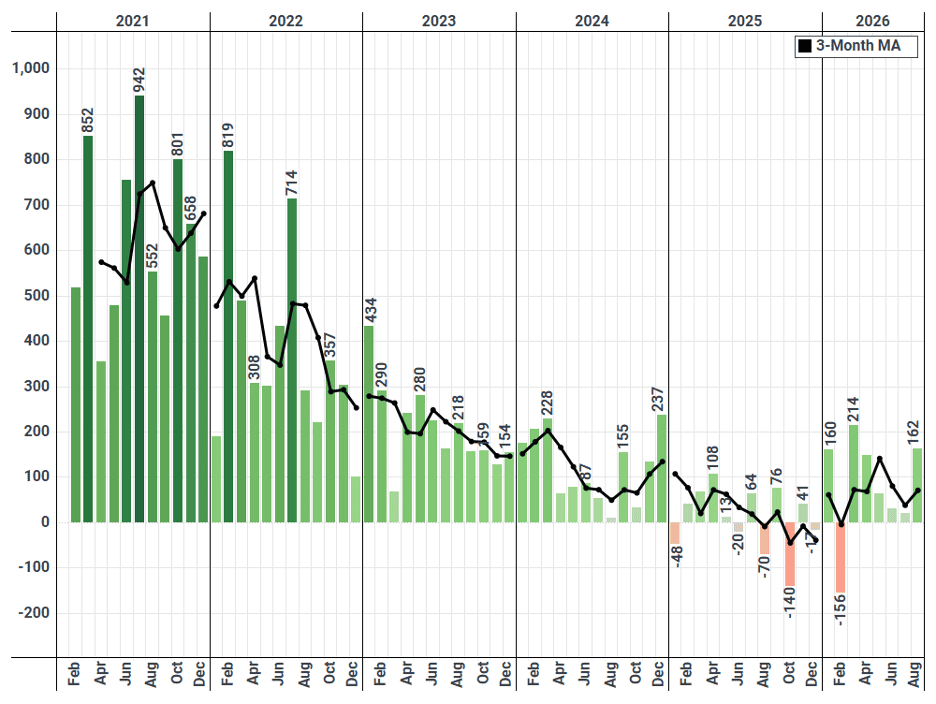
- August Bounces Back: Payrolls expanded +162k m/m, the strongest since March, with broad-based gains across leisure and hospitality (+62k), education and health (+29k), and cyclical sectors, including construction (+22k) and manufacturing (+16k). The household survey confirmed the strength – the unemployment rate held steady at 4.1% as an expansion in the labor force largely flowed through to rising employment.
- Wages are the Weak Spot: Nominal wage growth decelerated again to +3.1% over 12 months, down from +3.7% at the start of the year, right as inflation has surged. Against a +3.7% PCE-based headline rate of inflation, real wages continue to remain under pressure. If wage growth deceleration persists and inflation fails to moderate, the risks to real household consumption growth will rise.
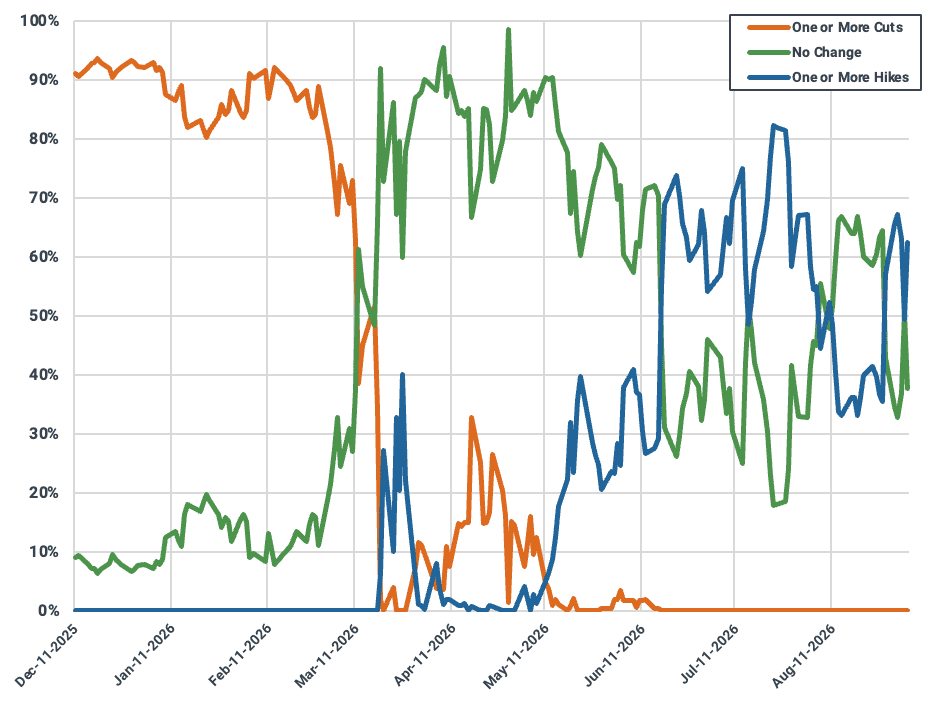
- September is Live: Markets read the jobs report as hawkish, with Fed Funds futures holding above 60% odds of a September hike, up from under 40% before Warsh’s Jackson Hole speech. We have leaned toward a one-hike solution since April. September will be a live meeting, though the FOMC may wait until October. The September 11 CPI print will be a potential swing factor to watch.
Market analysis
In July, the US labor market looked disappointing. While the headline rate of unemployment fell to 4.1%, the lowest level in over a year, an erosion in the labor force, lagging payroll growth, and a deceleration in nominal wage growth dampened sentiment. In August, the US labor picture improved dramatically amid a recovery in payroll growth, a stable unemployment rate, and a re-expansion in the labor force. However, we remain concerned about nominal wage growth, which continues to decelerate.
Monthly US Total Payrolls Growth (in thousands)
Source: BLS
There are plenty of positives across the plethora the August jobs data. Let’s start with payrolls, measured via the establishment survey. Total payrolls in August expanded by +162k m/m, rising to the highest level since March, and helping to lift the three month average to +71k m/m. The gains were broad based. As is the norm, education and health services added +29k m/m, but leisure and hospitality (+62k m/m) was also a critical driver. Manufacturing (+16k m/m), and construction (+22k m/m), both of which are indicators of US cyclicality, also saw gains on the month.
The household survey, which measures the headline rate of unemployment, was also constructive. The unemployment rate in August held steady at 4.1%, in line with month earlier levels and well off the cycle high 4.5% seen in November of 2025. The reasons underlying UR were also positive. While the number of unemployed increased (+115k m/m), this was offset by a sizeable expansion in the labor force (+683k m/m). Most of the labor force increase led directly to an increase in the number of employed (+569k m/m). August figures characterize a far more robust US labor market than what was reported in July.
However, our one major area of concern is a persistent deceleration in nominal wage growth right at the moment when US inflation has surged. In August, the 12-month pace of nominal wage growth yet again decelerated, finishing at +3.1%, down from +3.2% in July, and +3.7% starting off the year. If we assume the PCE-based headline rate of inflation from July (+3.7%), real wages clearly declined in August, a pattern that has persisted since the outbreak of the Iran conflict.
US 12-Month Pace of Nominal Wage Growth (%)

Source: BLS
In our note on the current state of the US economy issued earlier this week (Sept 2), we struck a generally positive tone, arguing US growth will finish at or just above the steady state (2 – 2.1%) despite persistent above-target inflation problems. However, we also highlighted how flatlining household expenditures in July will be a data point to monitor. While we are not yet at the point of arguing that US household consumption momentum will materially slow below the long-run average (~2.5%), we are highlighting that the risks of undershooting this average are rising if nominal wage growth continues to decelerate and/or inflation fails to moderate.
The market clearly took the report as hawkish. Fed Funds futures have been pricing a rate hike in September since the Warsh Jackson Hole Speech a week ago (Aug 28), and that conviction continues to remain in place. The chances of a hike in September are holding at >60%, up from <40% in the days leading up to the Jackson Hole Speech. We have been leaning towards a one hike solution for 2026 since April. September will be a live meeting, albeit the FOMC may wait until the October meeting to make a move. Another CPI print is due out on September 11, which could sway the Committee.
Fed Funds Futures Probabilities for September 2026 FOMC Meeting (%)
Source: CME

See why the most successful traders and shipping experts use Kpler